The first time I went to Kanazawa, I picked my dates by checking the cleanest-looking forecast. No rain, mild temperatures, easy travel. It worked, technically. But I left feeling like I had seen a postcard version of the city rather than the city itself.
On my third visit I discovered something simpler and more useful: the best time to visit Kanazawa depends less on the forecast and more on the kind of experience you want. The same garden that glows pink in spring turns deep red in autumn and falls silent under snow in winter. The same market feels different at 8am than it does at noon.
Getting There: Where Is Kanazawa Station, How Do You Reach It, and What to Know About Komatsu Airport?
So, where is Kanazawa? It sits in Kanazawa city, the capital of Ishikawa Prefecture, on the Sea of Japan side of Japan’s main island, roughly between the Japanese Alps and the coast. That location matters, because it explains why the city feels wetter and more seasonal than Tokyo or Osaka.
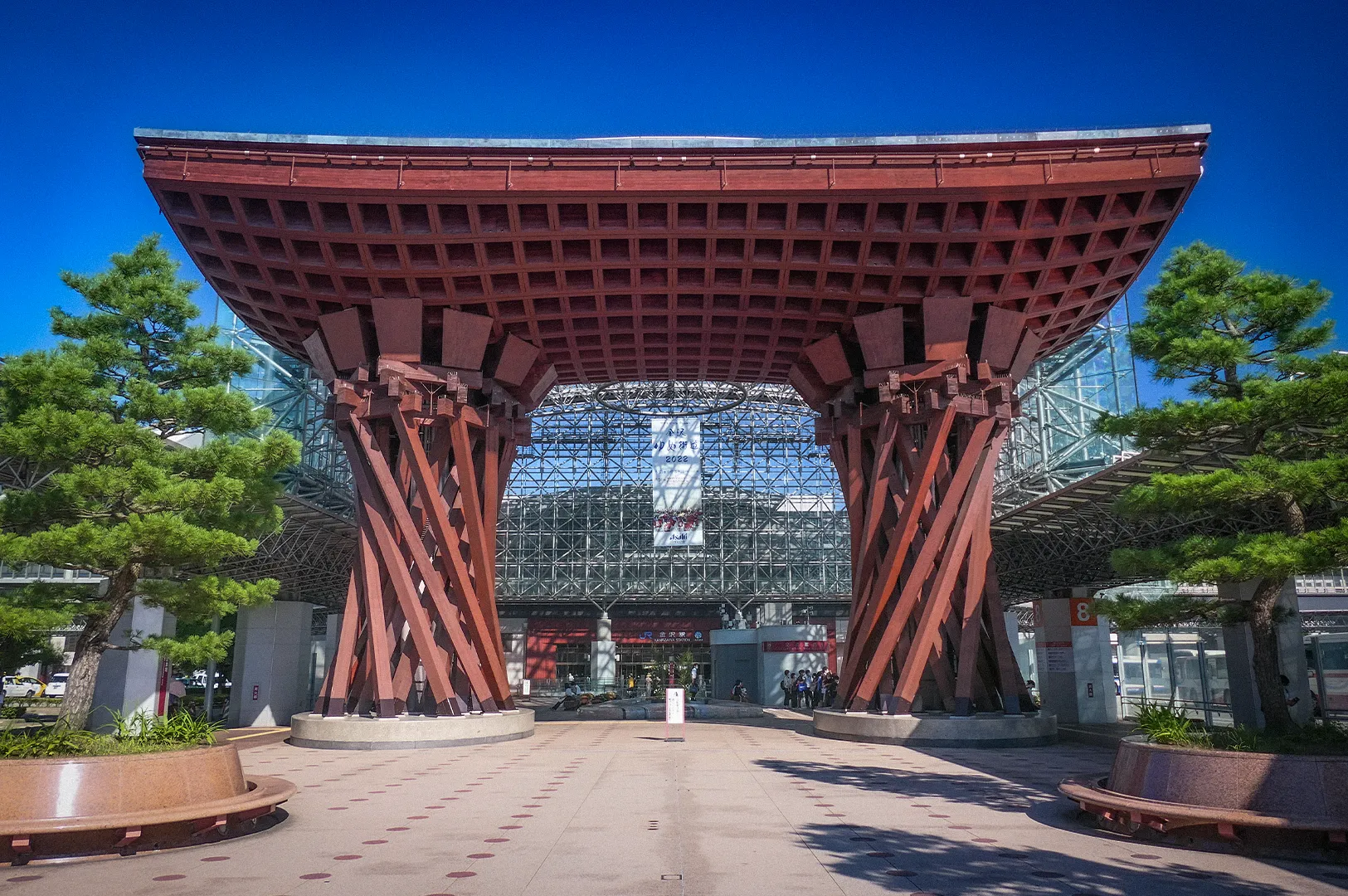
For most travelers from Singapore, there’s no direct flight. The cleanest route is to fly into Tokyo, then take the Hokuriku Shinkansen train straight to Kanazawa Station, a journey of about 2.5 hours from Tokyo. The ride is smooth and comfortable enough that I treat it as part of the trip rather than dead time.
If you’re combining cities, you can also reach Kanazawa easily from other major cities across Japan. From Osaka, the Thunderbird Limited Express takes about 2 hours. From Nagoya, the Limited Express Shirasagi connects to Kanazawa in roughly 2–3 hours. You can also reach the city by daytime and overnight buses. For domestic or some regional connections, Komatsu Airport is the nearest airport, about 40 minutes by bus from central Kanazawa.
Alex’s Tip: If you’re building Kanazawa into a longer Japan trip and want to anchor it with a comfortable Tokyo base first, this guide is helpful for thinking through location and pacing before you head west.
When to Visit: Choose the Atmosphere, Not the Kanazawa Weather
I’ve stopped chasing “perfect” Kanazawa weather. High humidity is common, even when temperatures seem moderate. Instead, ask: what kind of slowness do you want?
Spring offers blossoms and soft light. Summer has festivals with highs around 24°C to 27°C and cooler nights. Autumn brings color and quieter streets. Winter delivers snow, seafood, and cozy hot baths.
Daily timing matters as much as the season. Early weeks often have cloudy skies, light rain, and scattered showers, so stay flexible:
Kenrokuen Garden: visit early morning for quiet paths and gentle light.
Omicho Market: browse and eat breakfast before lunch crowds.
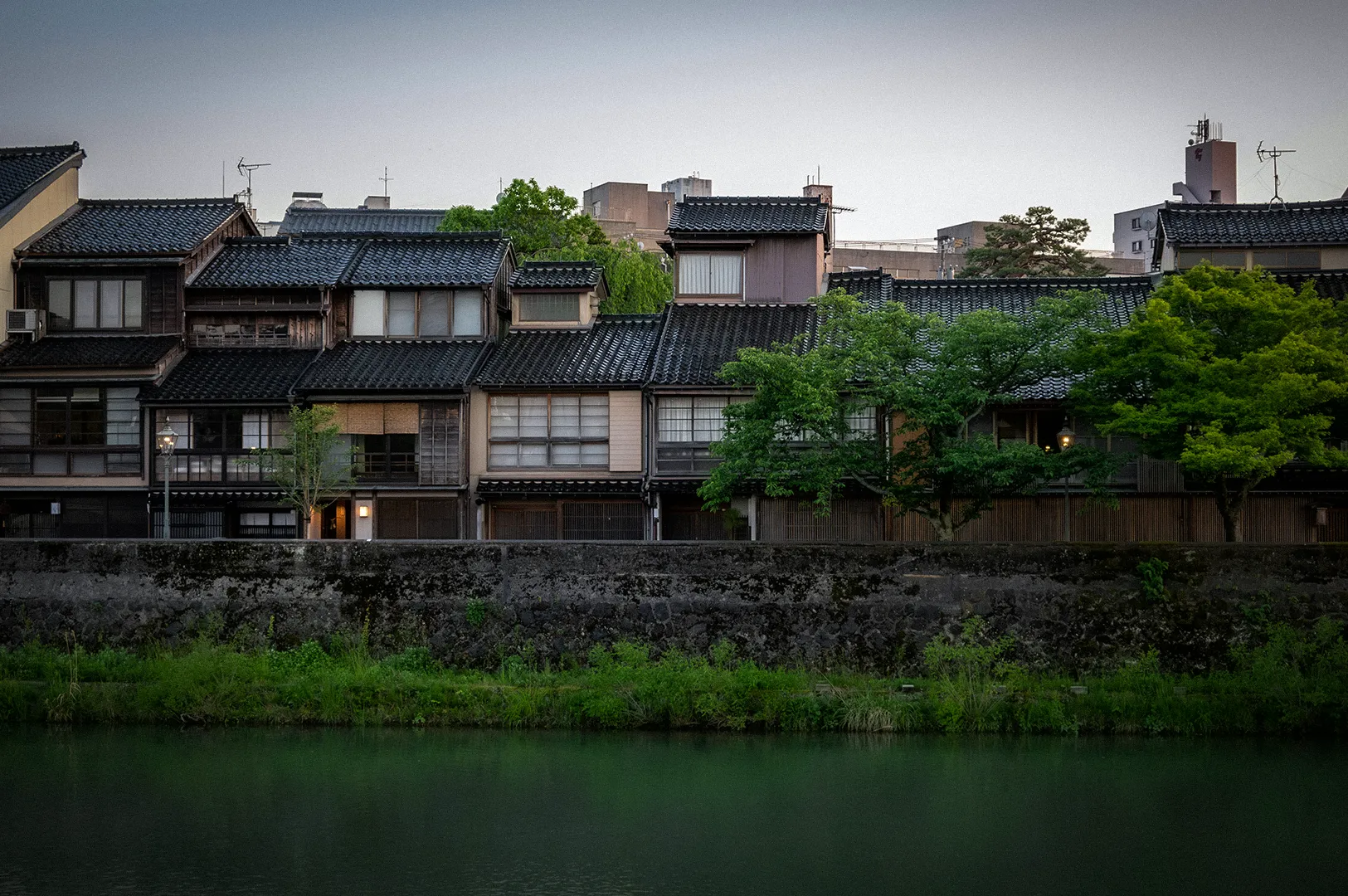
Higashi Chaya District: walk before 10am or late afternoon for a neighborhood feel.
Rainy days: use for modern museums, tea houses, and craft workshops.
Rain isn’t a lost day in Kanazawa—it’s a chance to slow down indoors. Check Kanazawa today for updates, but pick your season for the atmosphere you want.
What to Expect: Calmer, Compact, and a Little Wet in Kanazawa City
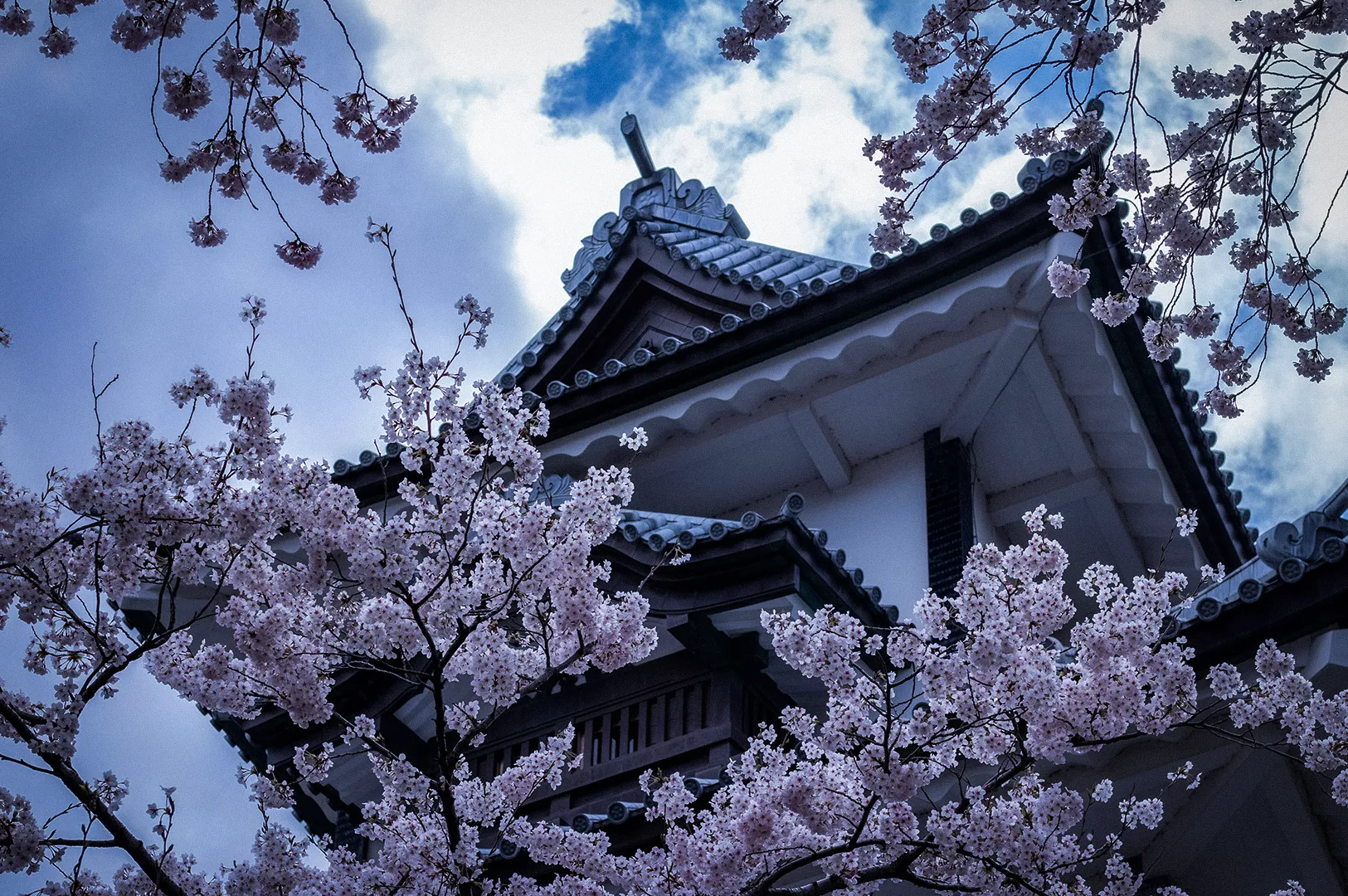
Kanazawa feels calmer than Tokyo, Kyoto, or Osaka, with a compact center shaped by its history. Major attractions lie within a 2 km radius of Kanazawa Castle and Kanazawa Castle Park, making the city walkable when weather allows.
Moisture is often underestimated. Kanazawa is wetter and more changeable than expected, especially in winter and shoulder months. Carry an umbrella even if mornings look clear.
For pacing:
Minimum: 2 days to get a feel for the city.
Better pace: 3–4 days.
Kenrokuen Garden and Kanazawa Castle Park: 2–3 hours to explore properly; 45 minutes for highlights.
Omicho Market: 45–90 minutes, depending on dining.
Highlights and Must-Sees Through the Seasons: Including the Museum of Contemporary Art and the Century Museum of Contemporary Art
The real magic of Kanazawa isn’t ticking off top attractions. It’s returning to the same places and watching them change.
Spring: Kenrokuen Garden and Cherry Blossoms in Old Kanazawa
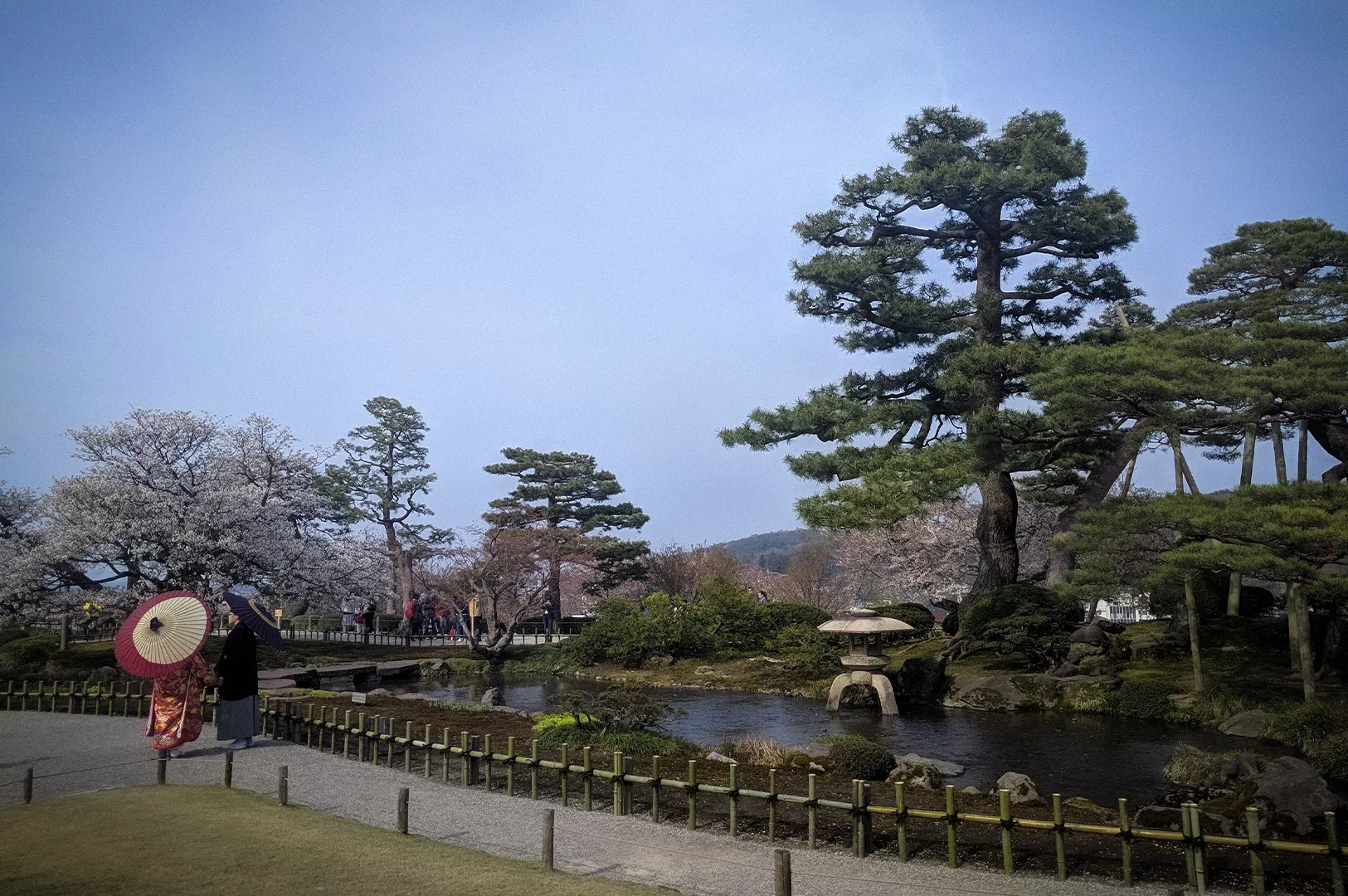
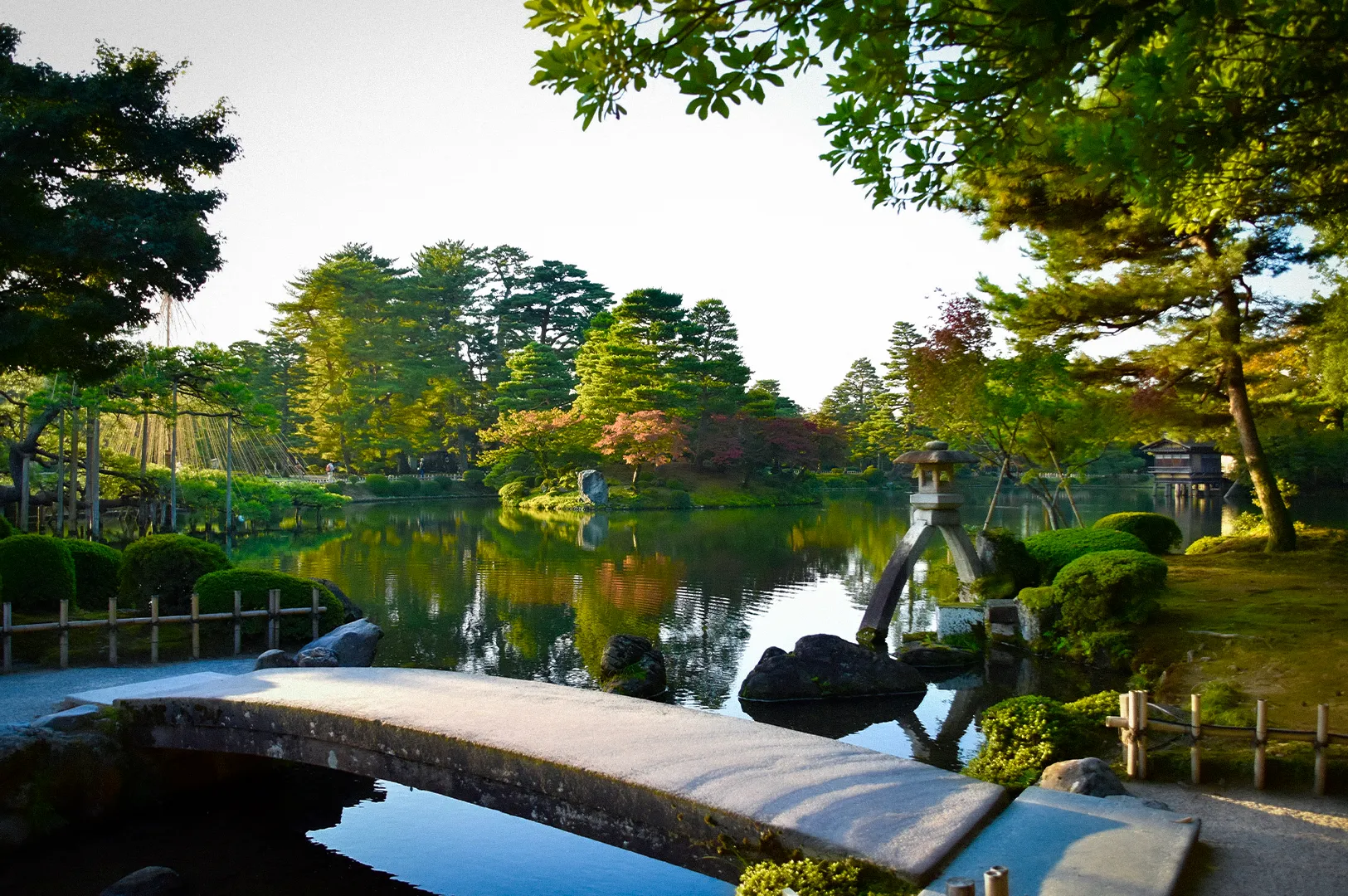
Spring is the obvious crowd-pleaser, and it earns it. Kenrokuen Garden and the grounds around Kanazawa Castle fill with cherry blossoms, and the whole city softens. The Kotoji Lantern beside Kasumigaike Pond looks its best with pale petals drifting across the water.
I prefer Kenrokuen in the early morning here, before the day’s visitors arrive. The blossoms feel more personal when you’re sharing them with a handful of people instead of a tour group.
Summer: Festivals, Higashi Chaya District, and Riverside Evenings
Summer is humid and lively, with average highs reaching about 32°C (89.6°F). The gardens turn a deep, full green, and the city hosts festivals that spill into the streets. Evenings near the Asano River are my favorite part. After a hot afternoon, the riverside cools down and the pace of conversation slows with it.
Summer is also when I lean into indoor breaks. A midday hour at the 21st Century Museum of Contemporary Art, which opened in 2004, is a welcome escape from the heat, and its open, circular design feels cooling in itself. It is a highlight of contemporary art Kanazawa, and rotating exhibitions often include works by Japanese and international artists.
Autumn: Changing Leaves and Quieter Streets in the Nagamachi Samurai District and Higashi Chaya
Autumn might be my favorite season here. Old Kanazawa feels especially appealing then, when preserved streets and traditional architecture stand out in the softer light. Kenrokuen turns red and gold, and the streets feel quieter than spring without losing the beauty. Early November is a lovely stretch if you want color without peak-blossom crowds.
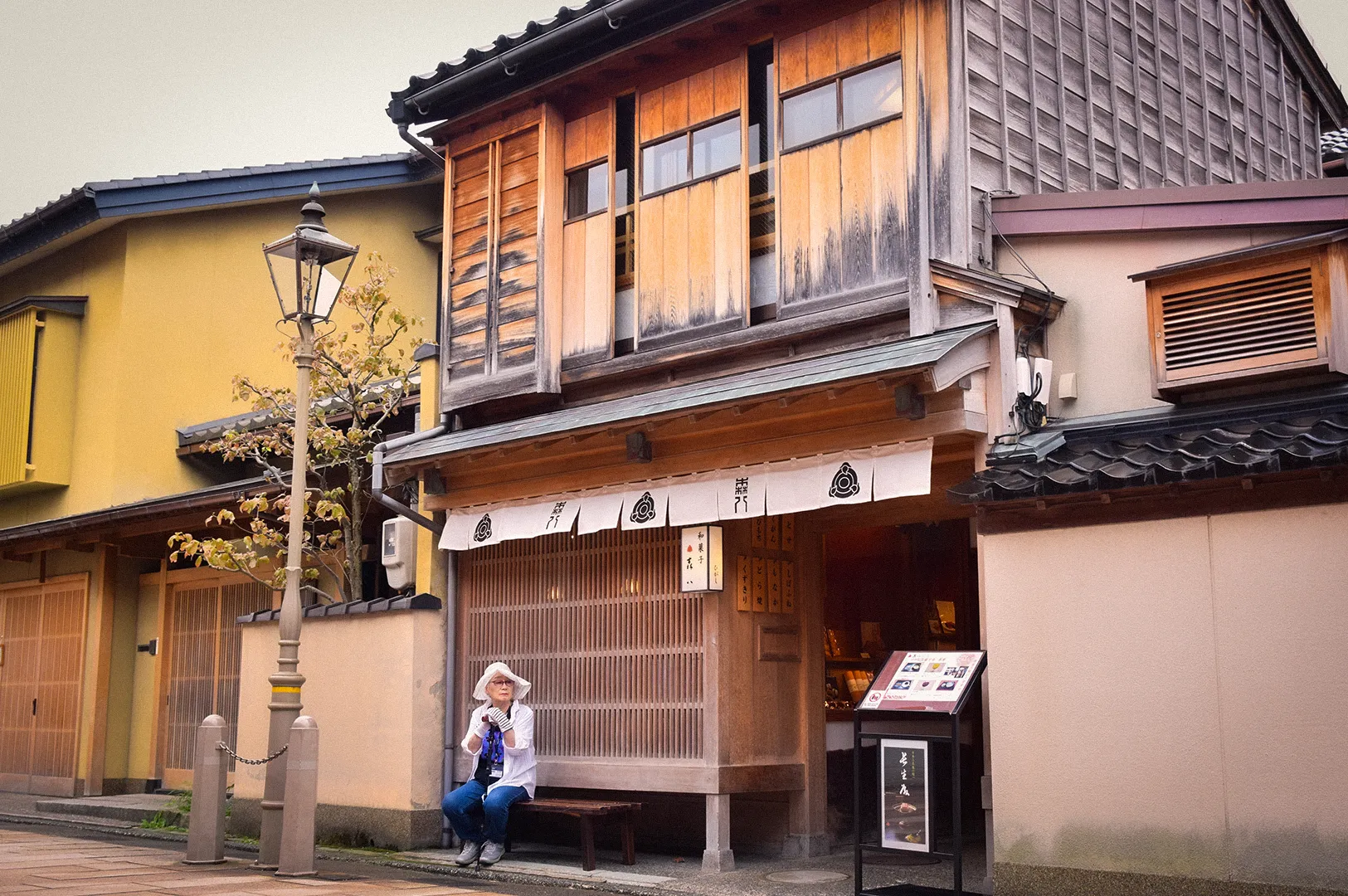
This is when repeating places pays off most. Walk Higashi Chaya before 10am, then return in late afternoon, and the same lane gives you two completely different moods. The Higashi Chaya District is one of the largest geisha districts in Japan, where you might catch a geisha performance or glimpse inside historic teahouses.
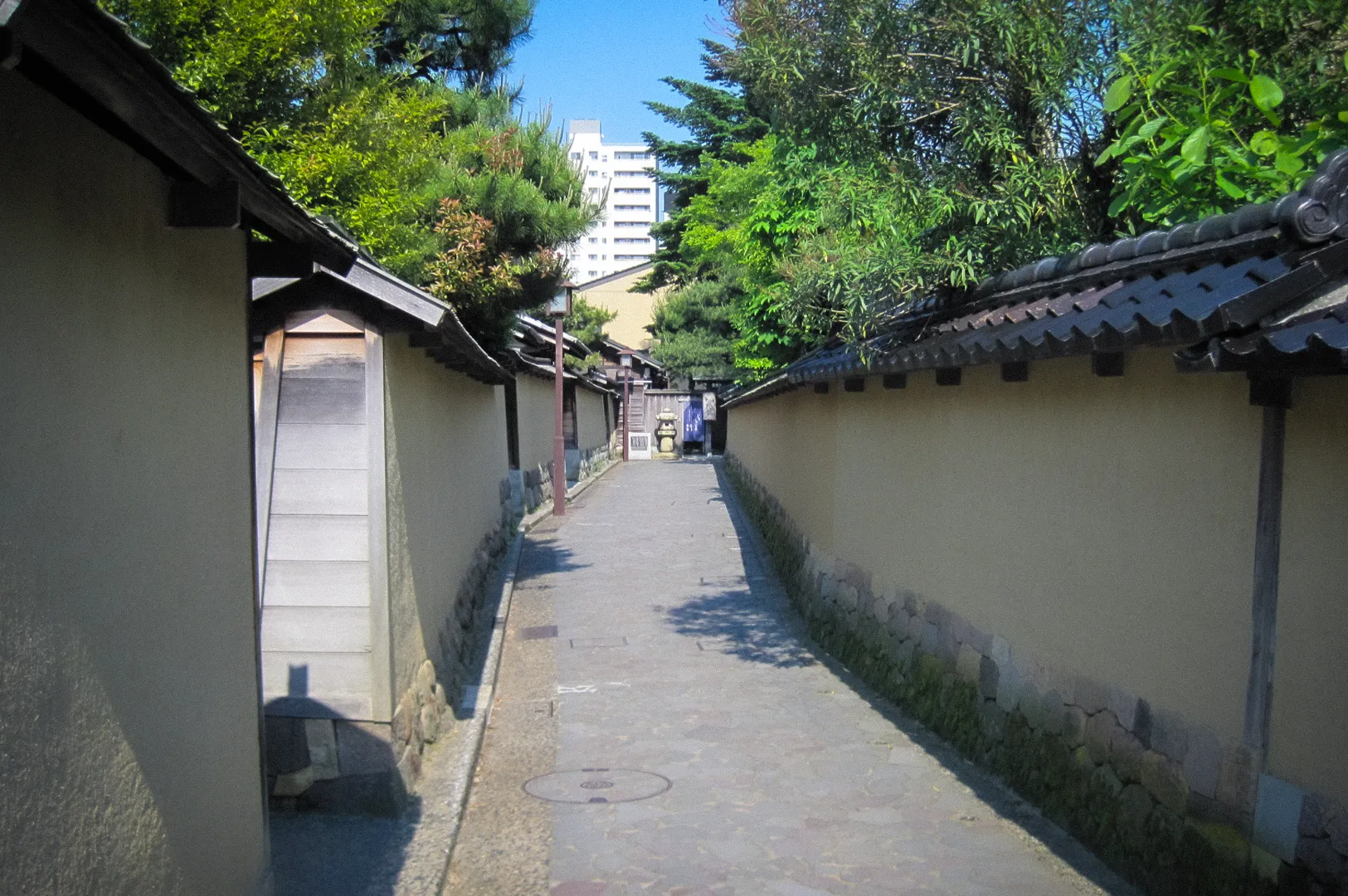
If history matters, leave time for the Nagamachi Samurai District, where preserved Edo period residences still retain the character of samurai homes, including the Nomura Samurai House with its beautiful garden and earthen walls. This district was home to the middle class samurai who served the Maeda clan, the ruling family of the Kaga domain that shaped Kanazawa’s history.
Winter: Snow, Seafood, and Hot Baths
Winter is when Kanazawa shows its quiet, dramatic side. Snow typically starts falling in late December, and winter temperatures often sit around 0°C to -2°C, so the castle park and Kenrokuen’s pine trees in yukitsuri look all the more striking.
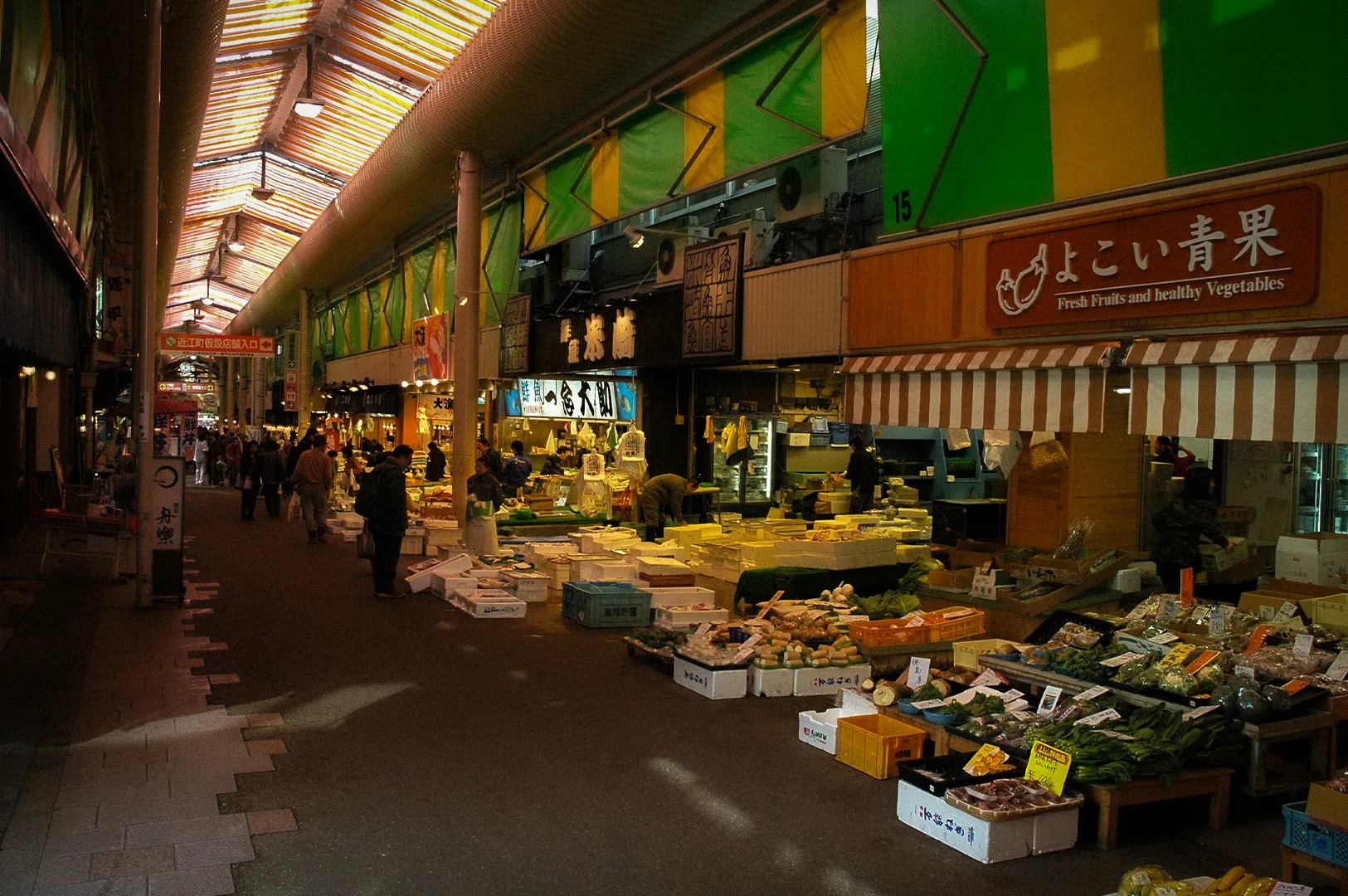
Winter is also seafood season. Omicho Market, Kanazawa’s largest fresh food market, overflows with crab, oysters, and yellowtail, with busy shops adding to the atmosphere. The fresh seafood here is sourced fresh from the Sea of Japan, and kaisen-don is a popular winter meal. Snow crab is a seasonal delicacy from November to March. There are also many seafood restaurants nearby if you want to warm up after a cold walk. A bowl of oden or hot pot then feels close to perfect. Just plan seriously for the cold and damp. A hot bath at the end of the day stops being a luxury and starts being a strategy.
Insider Tips: Why Kanazawa Rewards Repetition and Embraces Traditional Crafts and Gold Leaf
If I could give you one line to carry through your trip, it’s this: Kanazawa rewards repetition. The same garden feels different in cherry blossom light, summer green, autumn color, and winter snow. You don’t need more top attractions. You need more returns to the ones you already love.
A few practical moves I keep using:
Use Kenrokuen’s early-morning free entry window when it’s available. It’s quieter, and the light is better for photos.
Treat Omicho Market as breakfast, not lunch. Mornings are calmer; the lunch crowds queue.
Walk Higashi Chaya before 10am for stillness, or late afternoon for softer light.
Save rainy days for museums, tea houses, and traditional crafts workshops like gold leaf or wagashi; Kanazawa produces 99% of Japan’s gold leaf. These hands-on stops are one of the easiest ways to connect with the city’s culture, especially through traditional arts and crafts.
Repeat one route in different weather. It’s the simplest way to feel like you briefly lived here.
I Recommend: If you enjoy gentler Japan routes beyond the usual Tokyo–Kyoto path, you can read more here.
Practical Info: Costs, Hours, and What to Bring for Visit Kanazawa
A slow trip still needs a little planning. Here are the details I keep handy.
Kenrokuen Garden
Address: 1 Kenroku-machi, Kanazawa, Ishikawa 920-0936
Hours: 7am–6pm, or 8am–5pm from Oct 16 to end-February
Admission: ¥320 adults, ¥100 children aged 6–17
Early-morning free entry: 5am in March, September, October; 4am April–August; 6am November–February. Leave 15 minutes before normal opening.
Getting around
Kanazawa Loop Bus: ¥220 adult, ¥110 child per ride
One Day Bus Pass: ¥800 adult, ¥400 child (valid on participating buses, not Light-Up Bus)
Daytime and overnight buses connect Kanazawa with major cities. The city offers stays for various budgets, including solid mid-range options.
What to bring
Comfortable walking shoes
Compact umbrella or rain jacket
Warm layers for autumn and winter, plus gloves and scarf in winter
Breathable clothes for summer
Reusable bag for Omicho Market
Small cash wallet
eSIM or pocket WiFi
Accessibility: Kanazawa is walkable but paths can be wet, slippery, or uneven, especially in winter with snow and ice. For older travelers, use taxis more and avoid overpacking your day.
Pick the Season That Matches Your Slowness in Kanazawa City
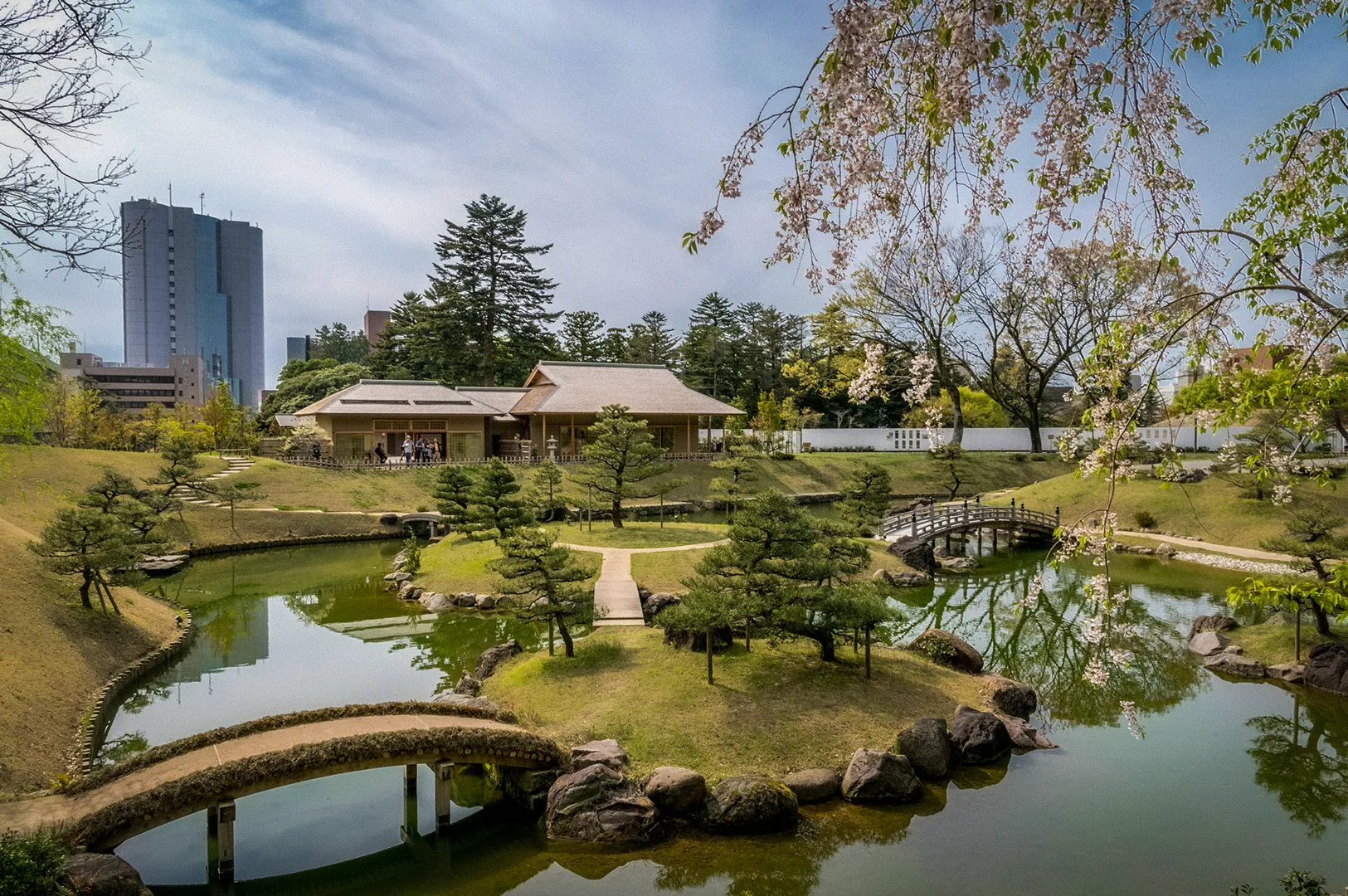
The best time to visit Kanazawa isn’t about finding flawless weather. Once the center of the Kaga domain during the Edo period, under the Maeda family, the city still carries that history in everyday streets and landmarks. It’s about choosing the kind of slowness you’re after: blossoms and gentle mornings in spring, festivals and riverside evenings in summer, quiet color in autumn, or snow, seafood, and hot baths in winter.
Give the city 3–4 days. Return to Kenrokuen in different light, eat at Omicho before the crowds, and walk Higashi Chaya twice in one day. If history matters to you, leave time for the Nagamachi Samurai District, where preserved Edo-era residences still retain the character of samurai homes. The next step is simple: pick the season that fits your mood, book a few unhurried days, and let Kanazawa reveal itself slowly.