The first time I arrived in Kanazawa, I booked a hotel near JR Kanazawa Station based on ratings and price. It was comfortable, but I soon realized that in Kanazawa, the neighborhood matters more than the hotel itself.
Unlike Tokyo, Kanazawa is walkable and shaped by weather and local rhythms. Rain affects plans, markets shape mornings, and old streets change throughout the day.
So when asked where to stay Kanazawa, I now ask: What kind of days do you want?
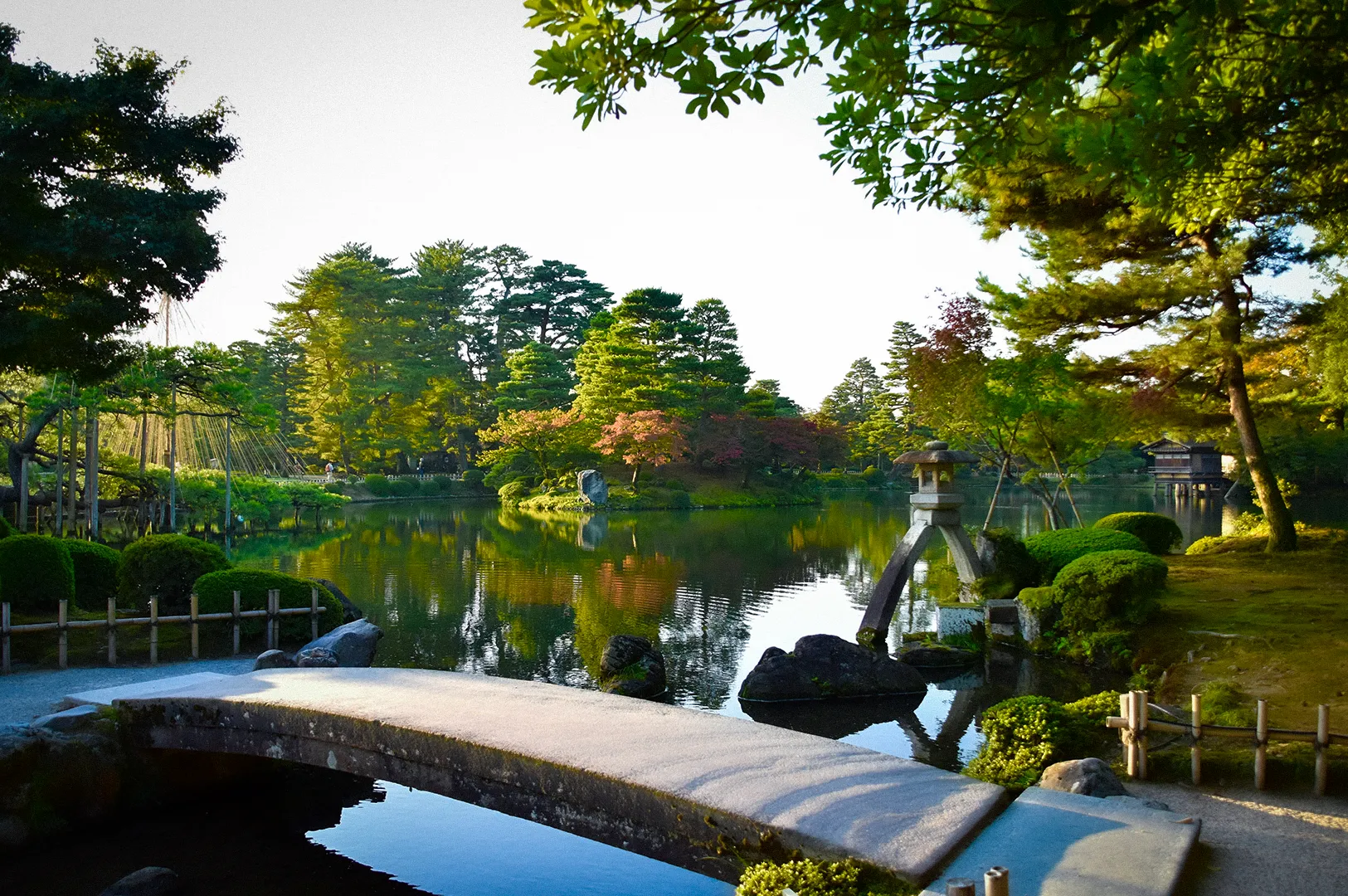
The best accommodation options aren’t just about polished hotels but places near Omicho Market, the samurai district, or the Higashi Chaya Geisha District. Staying near these areas lets you experience Kanazawa’s culture and charm, whether strolling through historic streets or relaxing in Kenrokuen Garden.
Opening: Why the Neighborhood Matters More Than the Room in Downtown Kanazawa and Kanazawa Station Area
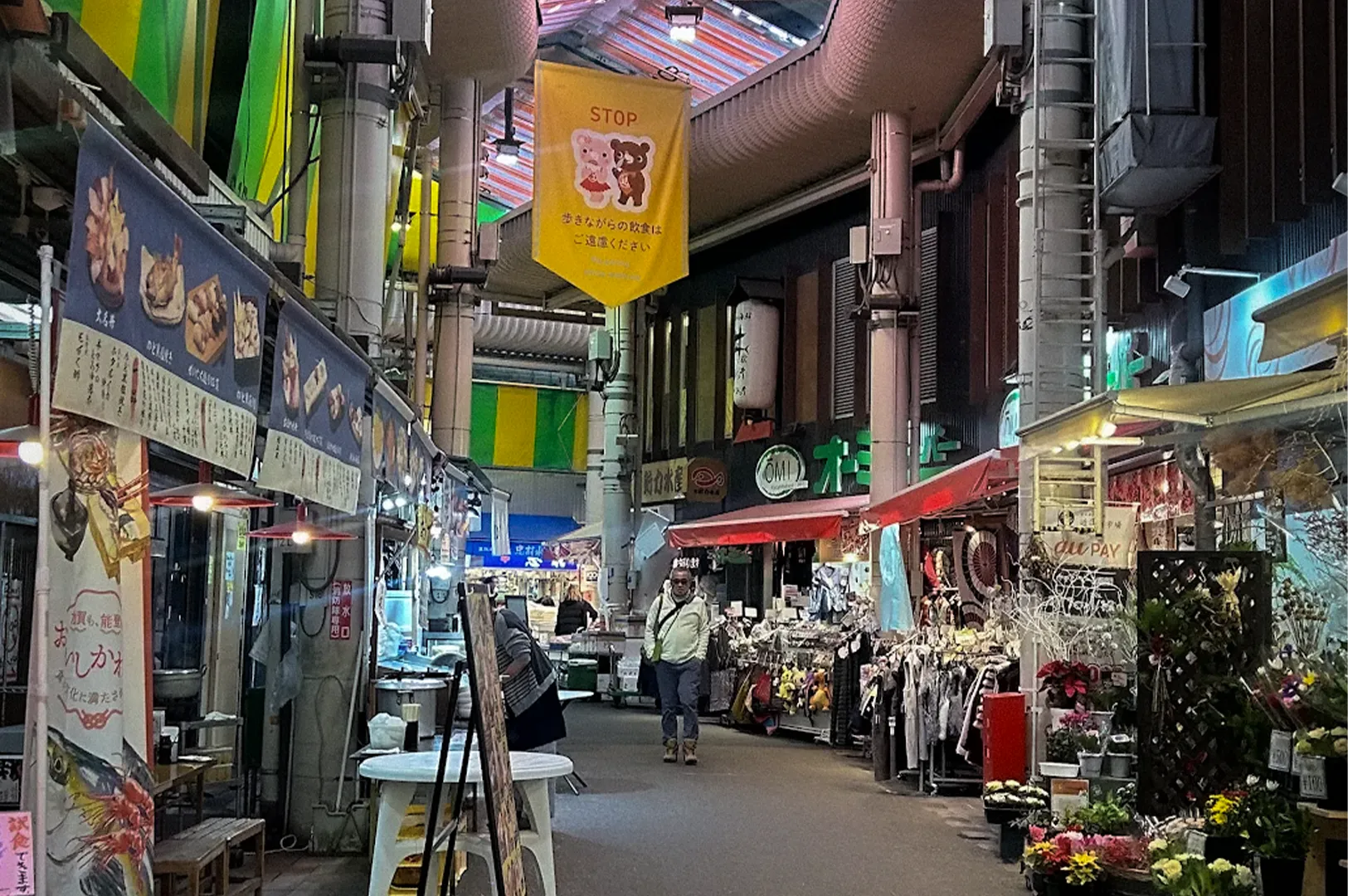
On one visit, I stayed near Omicho Market, waking to the sounds of delivery carts and fishmongers setting up. Another time, I stayed in a machiya-style townhouse near the Higashi Chaya Geisha District, with its faint scent of old wood and tatami floors. Later, I chose the Kanazawa Station area for convenience after a late train arrival with heavy luggage.
Each stay shaped my trip differently.
Near Omicho, mornings were food-focused—browsing seafood stalls and returning with coffee before the city woke.
Near Higashi Chaya, I enjoyed quiet walks through wooden streets before 10am, when the geisha district felt like a true neighborhood.
Near Kanazawa Station, everything was easier—less charming but perfect after a long journey.
If you’re planning Kanazawa after a longer Tokyo stay, especially if you’re comparing the best Tokyo hotels for a 10-day Japan trip, this guide can help you think about comfort, location, and pacing before you continue west.
Check-in Experience: Traditional Japanese Inn, Machiya, Station Hotel, or Guesthouse in Kanazawa Station Area?
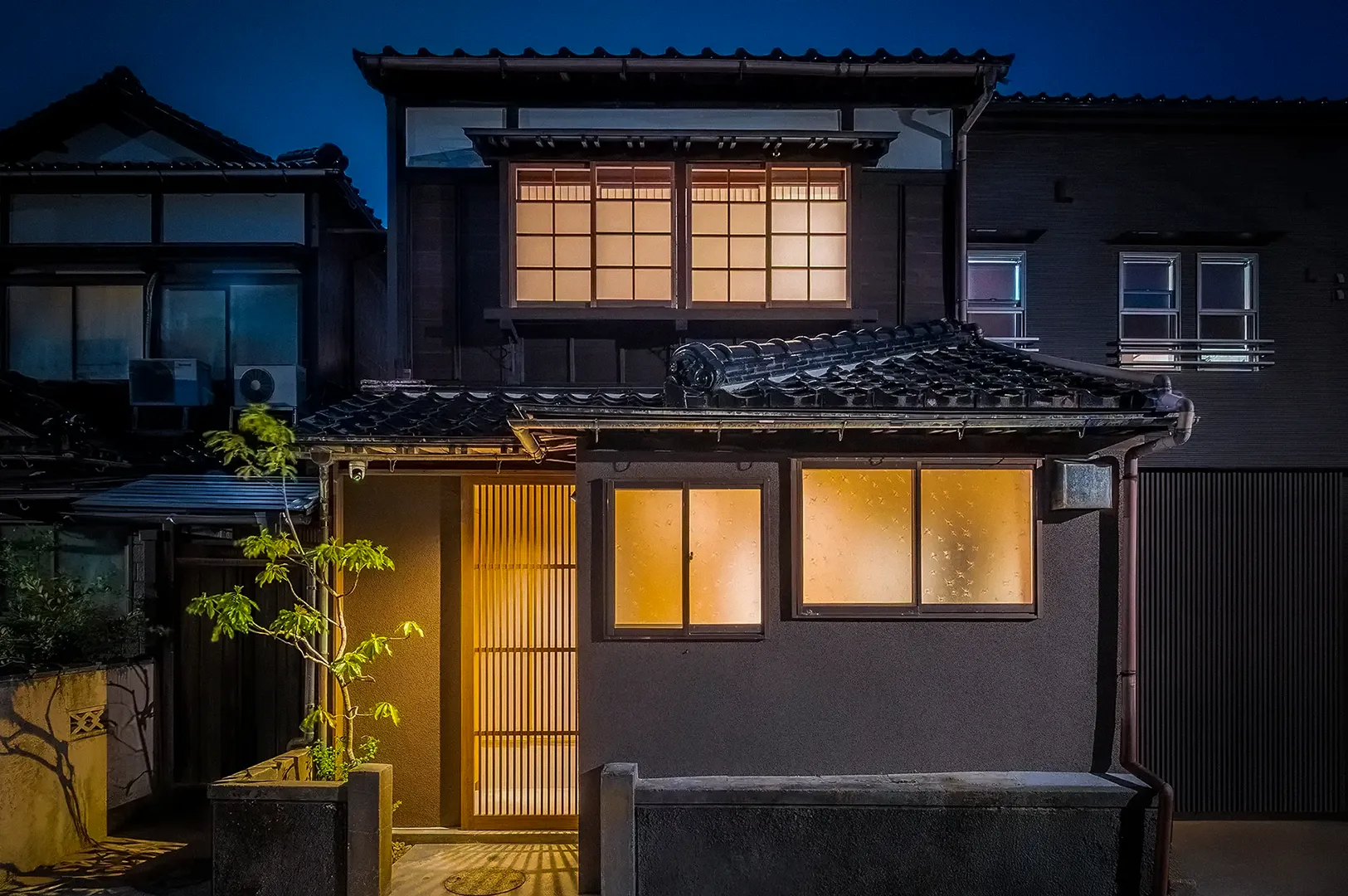
I checked in once to a restored machiya near Hikosomachi, not far from Omicho Market. The process was simple: a code, a small entryway, slippers lined neatly near the door, and that immediate feeling of stepping into someone’s old city rhythm. No lobby music. No elevator. Just wood, quiet, and the slight nervousness of wondering if I’d understand the heating controls.
Machiya Residence Inn Kanazawa has several properties around Omicho, Kanazawa Castle Park, and Higashi Chaya. Some restored townhouses are around 71–135 sqm, with multiple bedrooms, futons, bathrooms, toilets, and enough space to properly unpack. For couples, families, or small groups, this can feel less like booking accommodation and more like borrowing a small life in the city.
The station-area hotel was different. Check-in was seamless—they had my room ready 2 hours early. I appreciated that more than I expected because I had arrived with a suitcase, a wet jacket, and zero interest in dragging luggage across rainy pavements.
At K’s House Kanazawa, the mood was simpler and warmer. One guesthouse stay coincided with a delayed train arrival, and the staff were responsive about late check-in instructions. That kind of help matters when you’re tired. It’s not luxury, but it feels human.
Room Details: What Actually Affects the Stay in Hotels in Kanazawa and Traditional Ryokan
In Kanazawa, room details matter because you often return to your accommodation between walks. Rain passes through. Shoes get wet. You may want to sit indoors without feeling trapped.
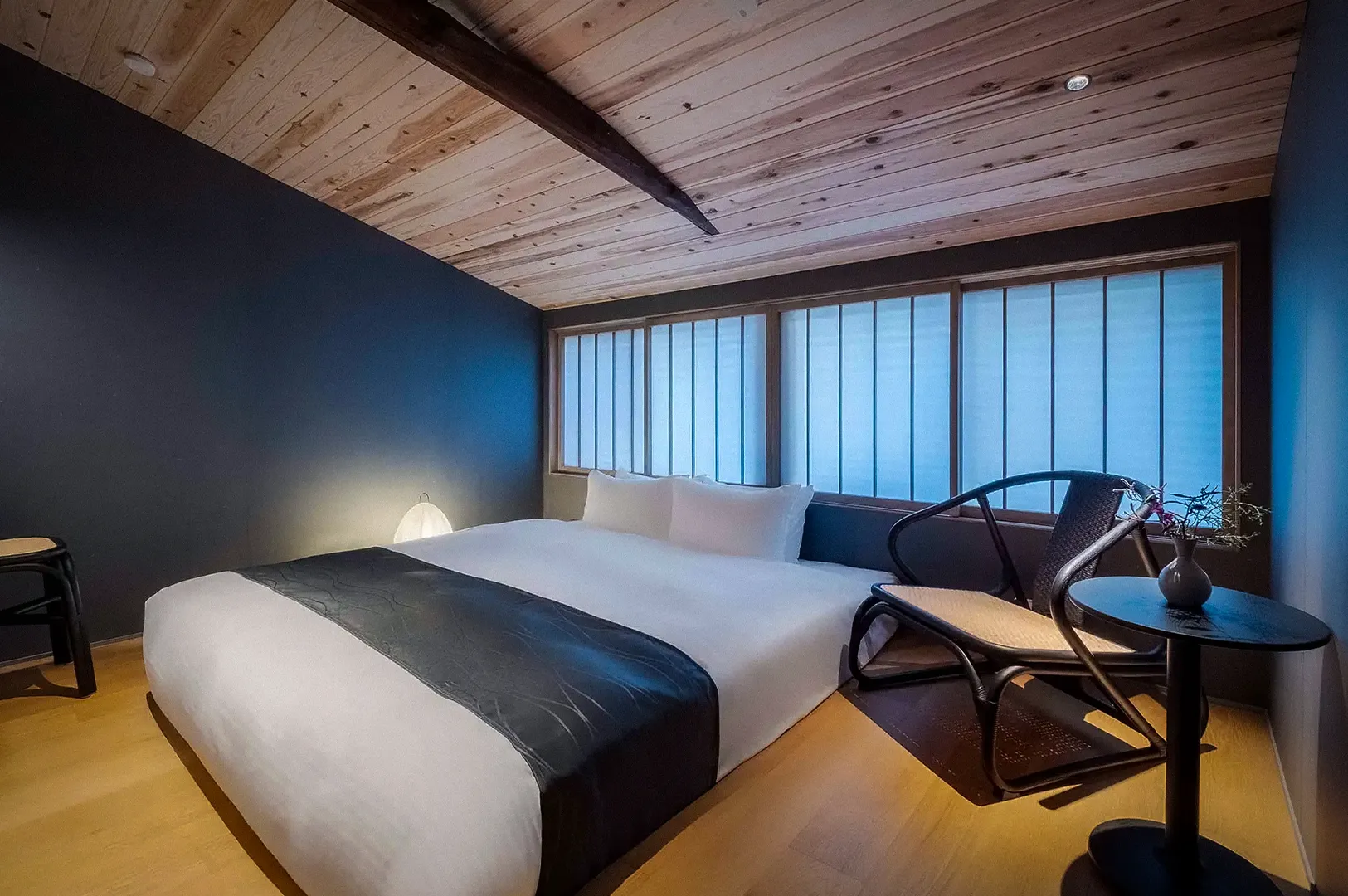
The machiya stay gave me the most space. There was a small kitchen, a dining table, separate sleeping areas, and futons laid out in a quiet guest room. The wood creaked in the evening, which I liked, though I wouldn’t recommend old machiya houses to anyone who struggles with stairs. Many have steep internal steps, narrow corridors, and low thresholds.
The mattress was firm—great for back support, but might feel hard if you prefer soft. I find this common in Japan, especially in a Japanese-style room.
In a modern hotel near Kanazawa Station, the room was smaller but more predictable, though higher-end options often pair contemporary rooms with Japanese design touches and amenities like on-site restaurants or baths. Western style rooms usually have better sound insulation, elevators, and compact bathrooms, and some luxury properties also offer more spacious rooms with a private bathroom setup that feels easier for longer stays. Mine had a rainfall shower with strong pressure, but no bathtub. That was fine for two nights, but if you’re visiting in winter and love soaking after long walks, I’d suggest booking a room with a tub or choosing a hotel with a public bath or private onsen.
Facilities: Kitchens Matter More Than Pools in Kanazawa's Best Hotels
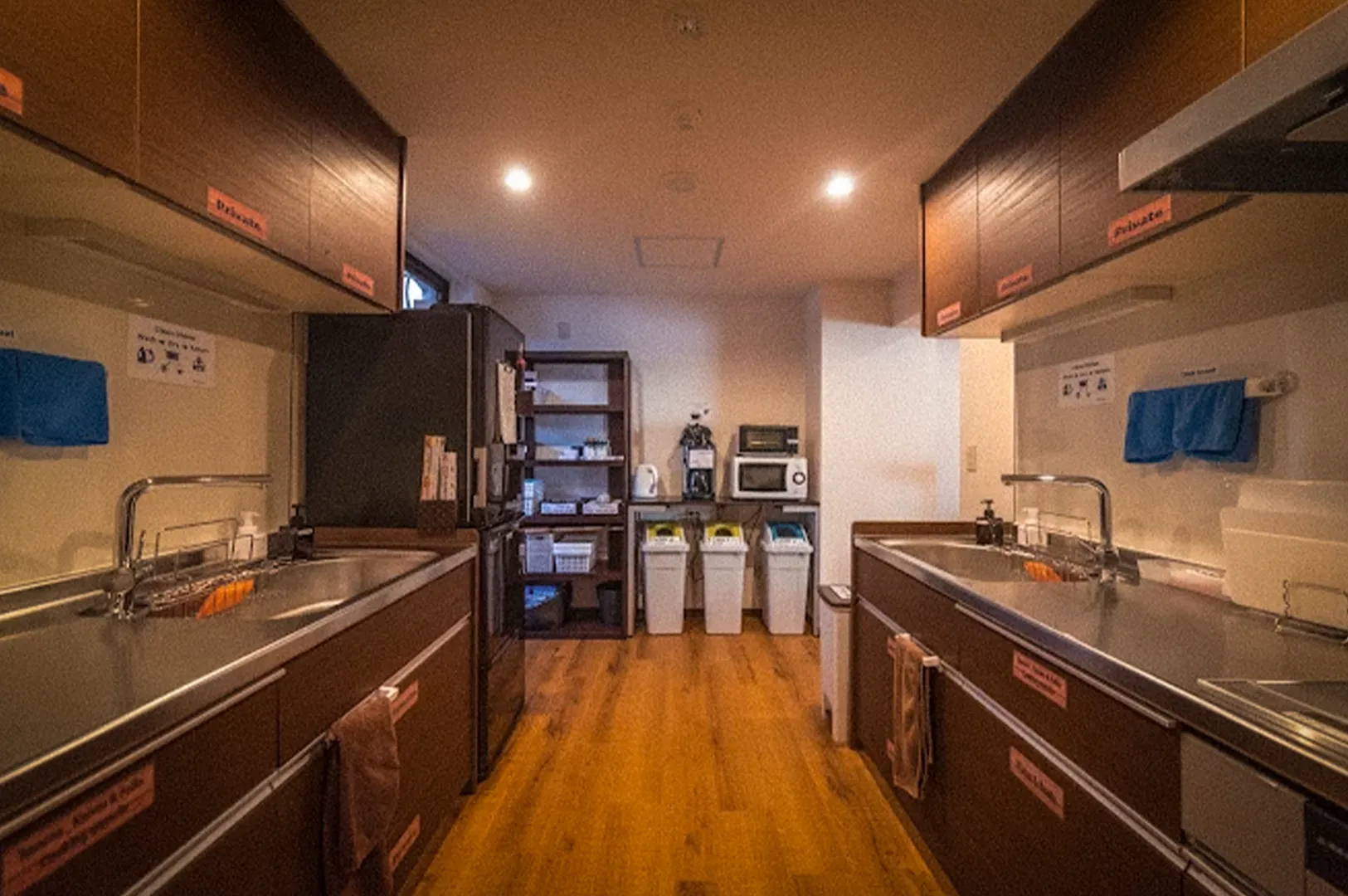
For slow travel, I care less about a gym or swimming pool and more about whether I can make tea, wash clothes, and sit somewhere that is not the bed.
A small kitchen changes Kanazawa. If you stay near Omicho Market or Hikosomachi, you can buy fruit, snacks, or ready-to-eat seafood and bring them back for a quiet breakfast. It sounds ordinary, but these small routines become the trip.
Shared kitchens at guesthouses like K’s House Kanazawa do something similar. You get free WiFi, communal spaces, cozy beds, good shower pressure, and a grounded feel. I’ve noticed that budget travelers often end up having slower trips because they spend more time in shared lounges, cooking simple meals, and talking to people instead of rushing from reservation to reservation.
Laundry is also underrated. If your accommodation has a washer or dryer, pack lighter. Kanazawa’s weather can be damp, and wet socks are not a personality-building exercise I recommend.
Breakfast depends on the stay. Some hotels serve traditional Japanese breakfast, while machiya rentals leave you to your own routine. Some ryokans also serve kaiseki dinners built around seasonal local ingredients, and a few larger properties add practical perks like room service or even a bath on the ground floor. Personally, I prefer the second option if I’m staying near Omicho. Kanazawa’s dining scene is broader than hotel meals anyway, with traditional options alongside newer spots, so it is easy to step out for local cuisine, find a place that serves breakfast, or return later for extras like free ramen noodles or free soba noodles. I’d rather wander out early than sit in a hotel dining room every morning.
Location: The Real Feel of Each Area Near Kanazawa Castle Park and Kanazawa Station Area in Kanazawa’s Main Tourist Attractions
Kanazawa is walkable, but weather matters. The city is compact, with most sights clustered within roughly two kilometers. A 15-minute walk in dry spring weather feels lovely. The same walk in sideways rain with luggage feels like a personal failure.
There is no MRT in Kanazawa. Instead, you’ll use the Loop Bus, local buses, taxis, walking, and sometimes bicycle rental service. The Loop Bus starts and ends at the train station and connects the major tourist attractions, especially for first-timers heading between Kanazawa Station, Omicho Market, Kenroku-en Garden, Kanazawa Castle Park, and Higashi Chaya.
Omicho Market / Hikosomachi: For Food Lovers
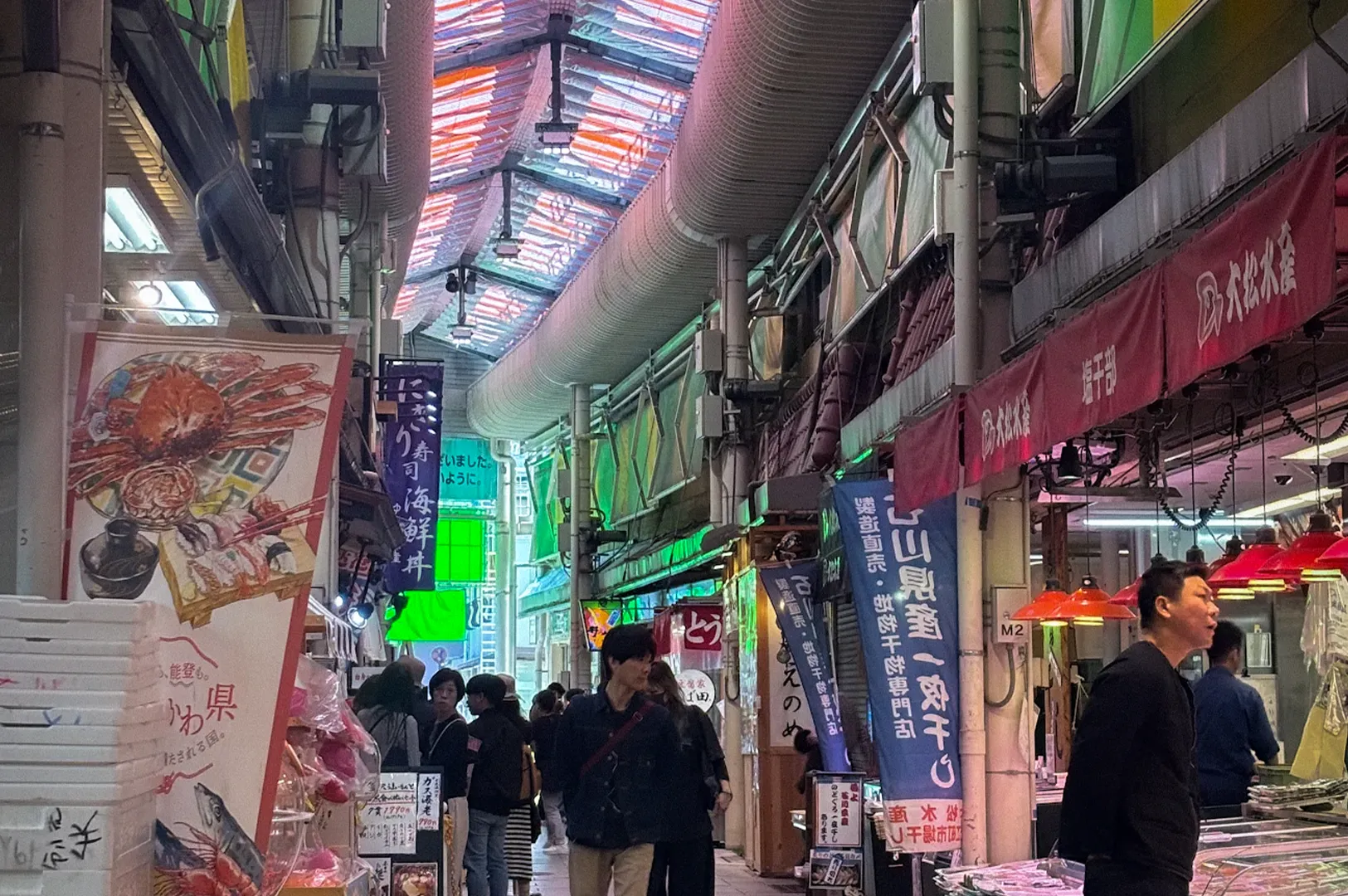
This area places you located close to some of Kanazawa’s attractions and within walking distance of Kanazawa Castle Park and the beautifully preserved geisha districts if you enjoy walking. It works well for visiting Kanazawa on foot. While it’s not silent, especially early in the day, the routine is wonderful.
Higashi Chaya / Higashiyama: The Atmospheric Choice
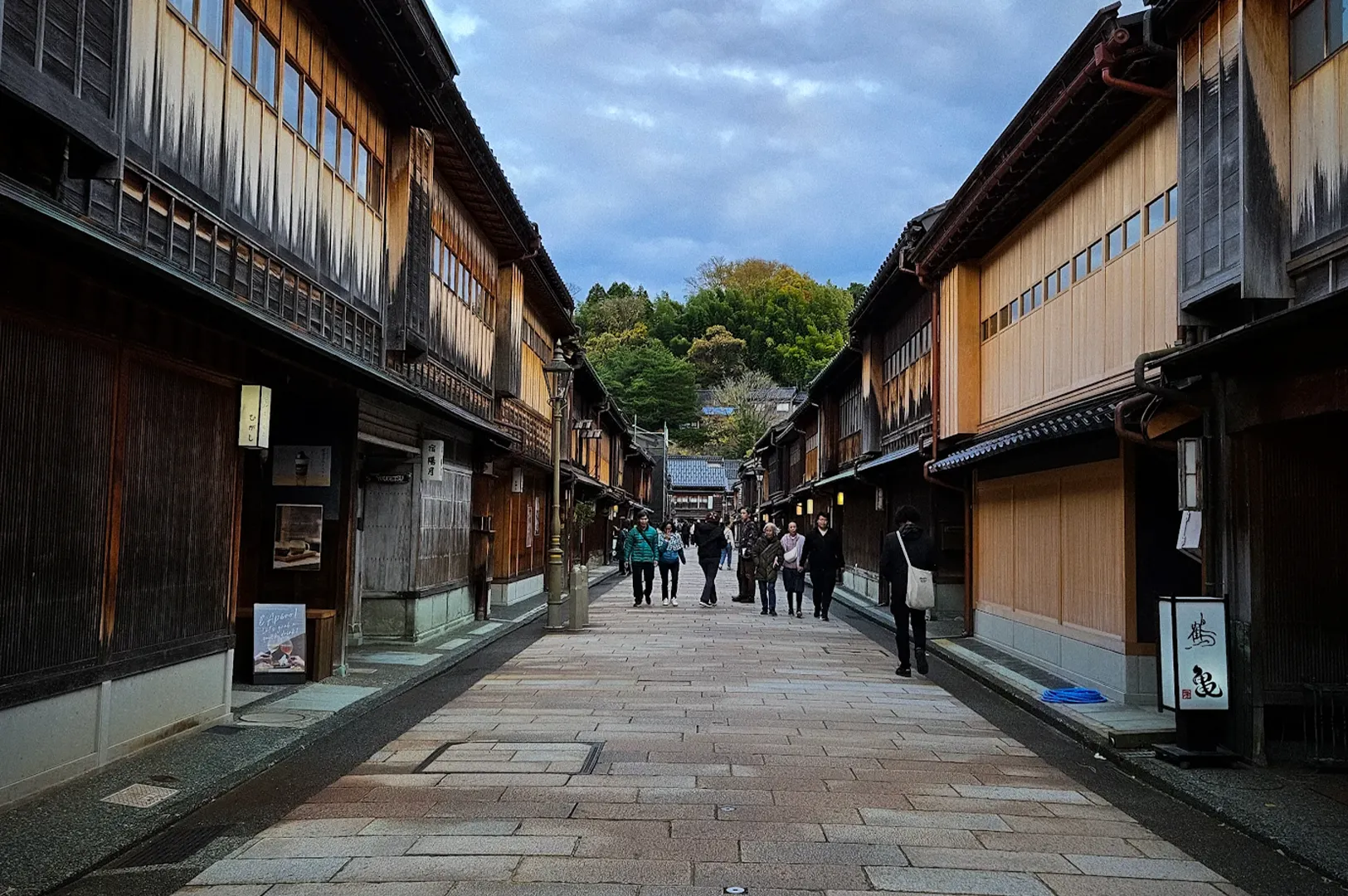
Stay here if you want quiet mornings, traditional streets, and evening walks through the Higashi Chaya Geisha District. The preserved wooden teahouse lanes and soft twilight feel make it one of the best places to absorb the city’s culture. Avoid it if you hate carrying luggage over uneven streets or need late-night convenience.
Near Kenrokuen Garden, Kanazawa Castle, and the 21st Century Museum of Contemporary Art: Ideal for Culture and Sightseeing
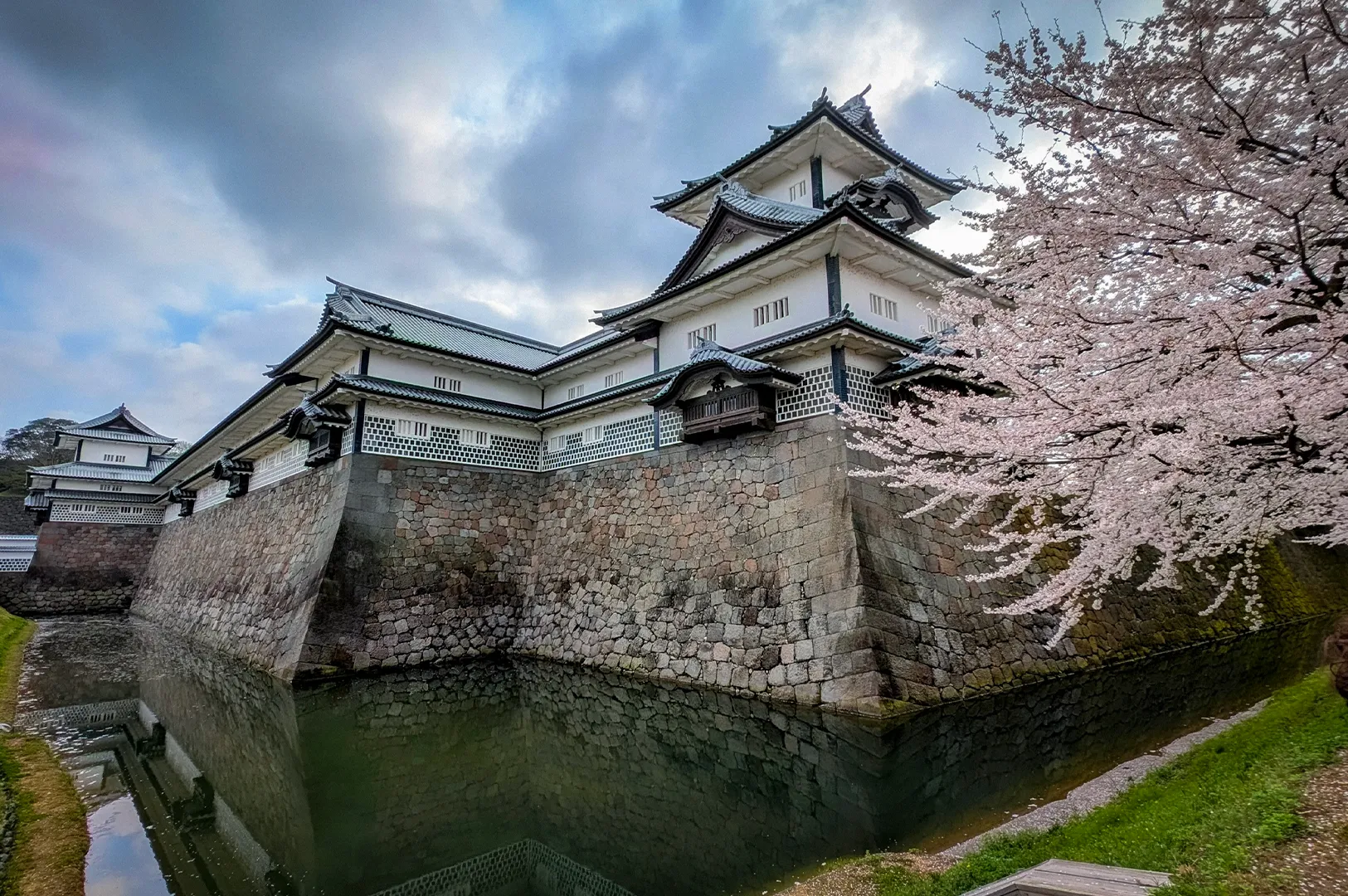
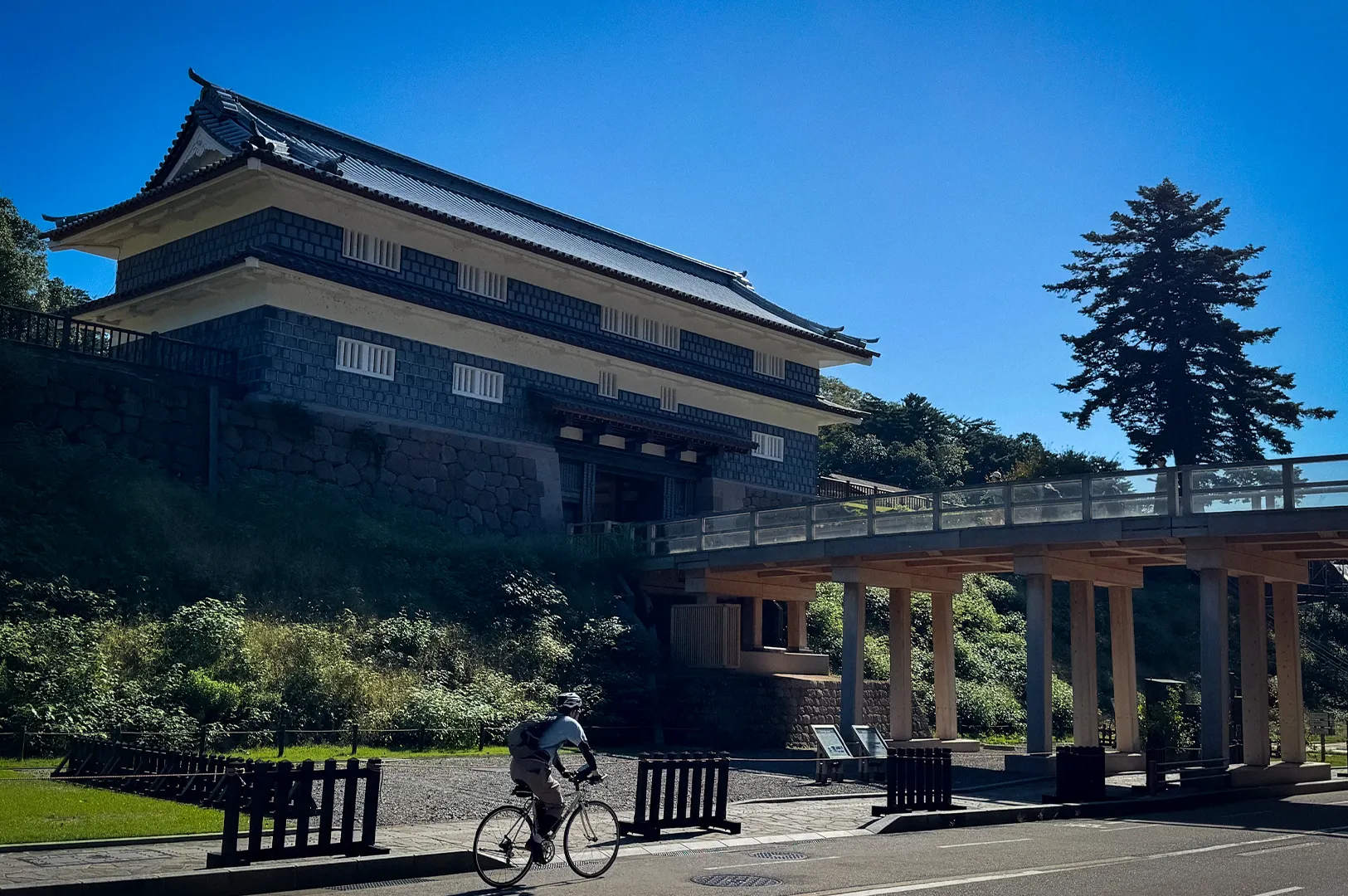
This area is perfect if your days revolve around gardens, museums, and walking-heavy routes. It puts you near Kanazawa’s main attractions and other cultural attractions, including Oyama Shrine, the Nagamachi Samurai district, and the Suzuki Museum. A townhouse stay here makes it easy to revisit Kenroku-en Garden, stroll through Castle Park, visit the Ishikawa Prefectural Museum, and continue toward Kazuemachi or Higashiyama without relying too much on buses.
Kanazawa Station Area: Best for Easy Arrivals and Day Trips
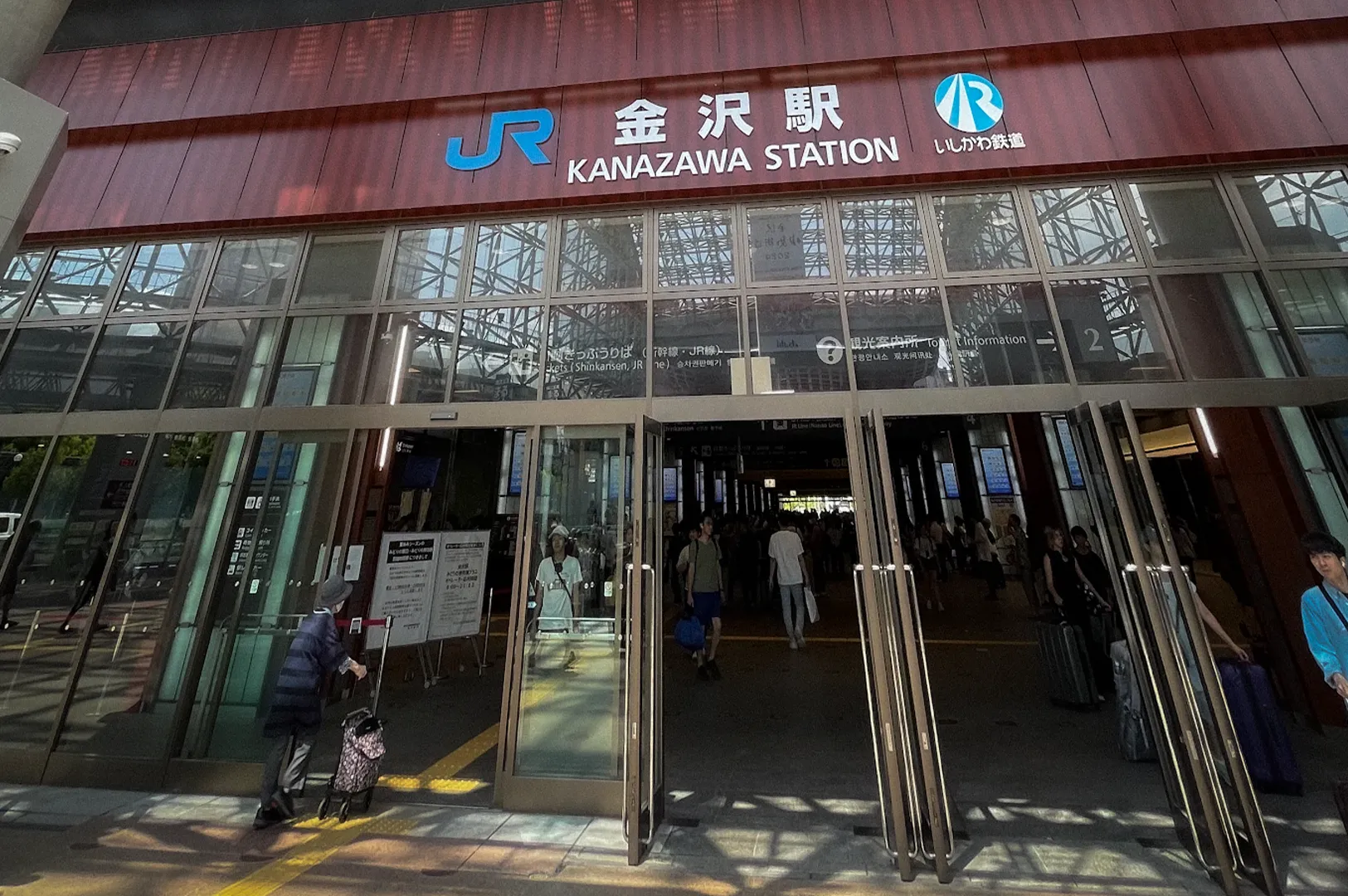
This area is best for easy arrivals, day trips, and handling luggage. It offers a range of stays from budget hotels to upscale options for travelers arriving by train, and it is conveniently located for transport. While it has less romance, it offers more practicality. If your Japan itinerary includes Toyama, Fukui, or onward travel, this area removes friction.
Katamachi and Korinbo: Urban Energy and Local Vibe
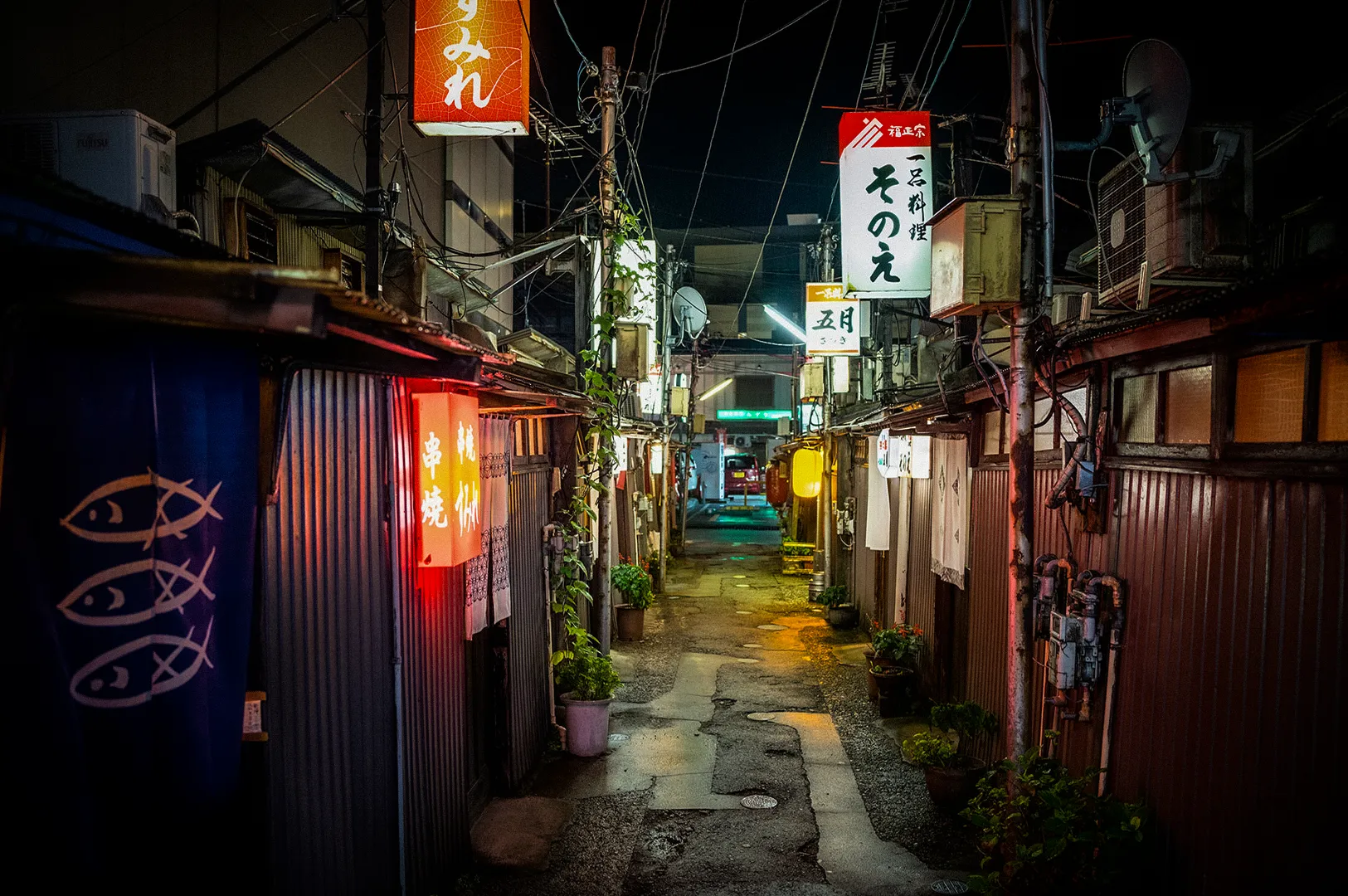
These areas feel more urban, with cafes, restaurants, shops, and nightlife. They are great bases for a stay in Kanazawa if you want downtown energy, a convenient location, and a local feel. However, they are less ideal if you’re chasing quiet old-street atmosphere.
Service: Small Help Matters on Slow Trips in Kanazawa’s Best Hotels
In polished hotels, service tends to be efficient. At one modern stay, the concierge booked my restaurant reservation within 10 minutes, which saved me from fumbling through Japanese booking pages after a long day.
In machiya rentals, service is quieter. You may not see staff often, but good instructions make all the difference: clear check-in codes, heating notes, trash rules, and luggage guidance.
In guesthouses, the help feels more personal. K’s House Kanazawa stands out because guests often mention responsive staff, clean common areas, and a kitchen with the basics. That’s the kind of place I’d suggest for solo travelers who want budget slow travel without feeling isolated.
If you like gentle Japan routes beyond the obvious Tokyo-Kyoto path, you can read more here.
Value: What Are You Really Paying For in Kanazawa’s Hotels and Ryokans?
A machiya rental usually costs more than a basic hotel room, but you’re paying for space, privacy, atmosphere, and routine. Kanazawa is also known for high-end tourist hotels, boutique hotels, and traditional ryokan inns, especially around the Kanazawa Castle & Kenrokuen area and the Higashi Chaya Geisha District, with options such as hotel sanraku, Mitsui Garden Hotel, square hotel, UAN Kanazawa, nono kanazawa, Oto Kanazawa, lovely hotel, Grand Hotel Prestige, and places with only four rooms. For families or two couples, the value can be excellent because you get multiple bedrooms, futons, bathrooms, and living space.
A station-area hotel gives you convenience. It may not be memorable, but it saves energy, and apartment-style stays like Hyatt House can also make sense for longer visits or families. If you arrive late, leave early, or have large luggage, that value is real.
A guesthouse like K’s House gives you clean basics, shared facilities, and a social rhythm at a lower price. It won’t suit travelers who want privacy and polished interiors, but it’s good value if you care more about comfort than luxury.
My honest view: don’t overpay for a “best hotels in Kanazawa” label if the location doesn’t match your days. A beautiful room in the wrong neighborhood still creates friction.
Final Verdict: Choose the Pace First for Your Japan Trip in Kanazawa
If you want food routines, stay around Omicho Market or Hikosomachi for easy access to fresh seafood and seasonal local delicacies.
If you want atmosphere, choose Higashi Chaya or Higashiyama, where a stay can mean traditional ryokans with tatami mat rooms and, in some cases, kaiseki meals.
If you want gardens, museums, and culture within easy walking rhythm, stay near Kenrokuen Garden, Kanazawa Castle, or the 21st Century Museum.
If you want easy arrivals, luggage ease, day trips, and even a hotel bath with panoramic city views, choose the Kanazawa Station area.
If you want budget slow travel, shared kitchens, clean rooms, and grounded simplicity, consider K’s House Kanazawa or a similar guesthouse.
Kanazawa is a city where your neighborhood shapes your daily rhythm, and the right base can define your entire trip. Choose the place that helps you repeat small pleasures: the same market breakfast, the same evening walk, the same quiet street after rain, or in Higashi Chaya, historic tea houses with matcha and sweets folded into the stay experience.
That’s when the city starts to feel less like a destination and more like somewhere you briefly know how to live.