
When people hear the words slow travel, they often imagine distant places.
A quiet village in Japan. A coastal town in Europe. A hidden mountain retreat somewhere far from home.
But slow travel is not defined by distance. It is defined by attention.
You do not need to cross borders to experience a place differently. Sometimes, the most meaningful journeys begin in places we think we already know.
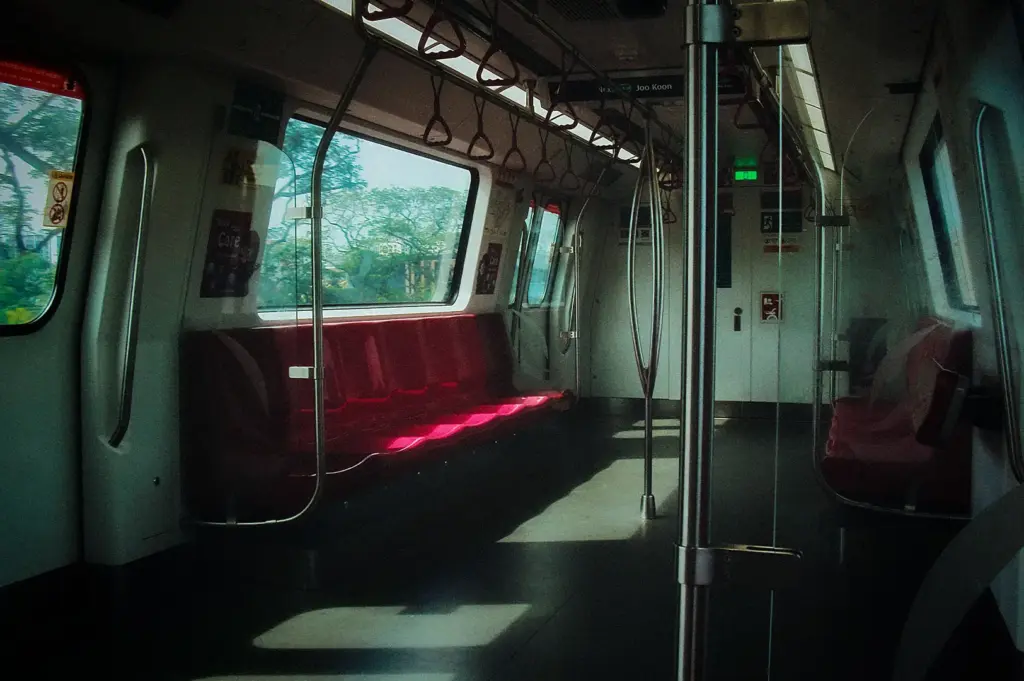
For Singaporeans, this idea can feel surprising. We live on a small island where most places are easily accessible. A short MRT ride or drive can take us almost anywhere. Because of that convenience, we can stop seeing Singapore as somewhere to explore.
It becomes familiar. Routine. Practical.
We move along the same roads, visit the same shopping malls, and follow the same weekly patterns without really noticing what surrounds us. But familiarity does not mean there is nothing left to discover.
It may simply mean we have stopped paying attention.
This is where slow travel changes the way we experience our own home. Instead of asking, “Where should I go next?” we begin asking, “What have I not noticed before?”
A neighbourhood becomes more than somewhere we pass through. A coffee shop becomes more than a convenient breakfast stop. A park becomes more than a place to exercise.
Everything becomes an opportunity to observe.
One of the quiet benefits of exploring Singapore slowly is that there is no pressure to make every hour count. There is no flight schedule waiting at the end of the day, no expectation to visit every attraction, and no need to justify spending an afternoon in one place.
You can simply take your time.
A slow morning walk through a heritage neighbourhood can become an exploration of architecture, food, and local stories. A visit to a hawker centre can become a deeper appreciation of the people and traditions behind familiar dishes. A quiet afternoon at a nature reserve can remind you that even a busy city contains spaces where time seems to move differently.
Slow travel teaches us that a place does not need to be unfamiliar to be interesting.
We often associate travel with escape. Leaving Singapore can feel like pressing pause on everyday life, stepping away from familiar routines and allowing ourselves to experience something new.
But perhaps the real thing we need to escape is not always our surroundings. Sometimes, it is the pace at which we move through them.
Domestic travel gives us the chance to practise something that can be difficult in everyday life: being present. Imagine spending an entire afternoon exploring one neighbourhood. Not because there are dozens of attractions to complete, but simply because you are curious.
You notice a small bookstore tucked along a quieter street. You discover a café you have never entered despite passing it before. You stop to look at an old building. You speak briefly with someone who has lived in the area for decades.
Nothing has been rushed.
And because nothing has been rushed, you have time to notice.
The experience becomes personal.
This is also what makes familiar places worth returning to. The same neighbourhood can feel completely different in the morning and evening. A walking route may reveal details you overlooked before. A familiar meal can become more meaningful when you slow down enough to understand the story behind it.
The place has not necessarily changed.
Your attention has.
That shift can make domestic slow travel especially valuable for families, couples, and friends. A slower local journey creates space to spend time together without the stress of complicated logistics.
Parents can explore with children at a comfortable pace. Couples can enjoy an afternoon away from their usual routines. Friends can reconnect without needing an elaborate itinerary. The journey becomes less about finding something impressive to do and more about enjoying the time already available.
There is another reason this matters.
Learning to travel slowly at home can change the way we travel elsewhere.
When we become comfortable with taking our time in a familiar neighbourhood, we may begin approaching foreign destinations differently too. Instead of searching only for famous attractions, we become more interested in everyday experiences.
We notice how people move through a neighbourhood.
We pay attention to local routines.
We become curious about small cafés, markets, walking routes, and ordinary streets.
We stop thinking that every worthwhile experience needs to be planned in advance.
Slow travel is not about escaping your surroundings. It is about learning how to experience them more deeply.
Singapore may be small, but that does not mean it has nothing left to reveal. There are familiar streets we have never properly walked, neighbourhoods we have only ever passed through, and ordinary places whose stories become visible only when we stop rushing.
Perhaps that is the quiet beauty of travelling slowly at home.
You do not need a flight ticket.
You do not need a long itinerary.
You may only need a free afternoon, a comfortable pair of shoes, and enough curiosity to take a different route.
Sometimes, the best journey begins not with leaving somewhere behind, but with looking again at the place you thought you already knew. If you want to know more about slow travel, you can read more on Singapore’s blueprint for the perfect itinerary slow travel format.





