
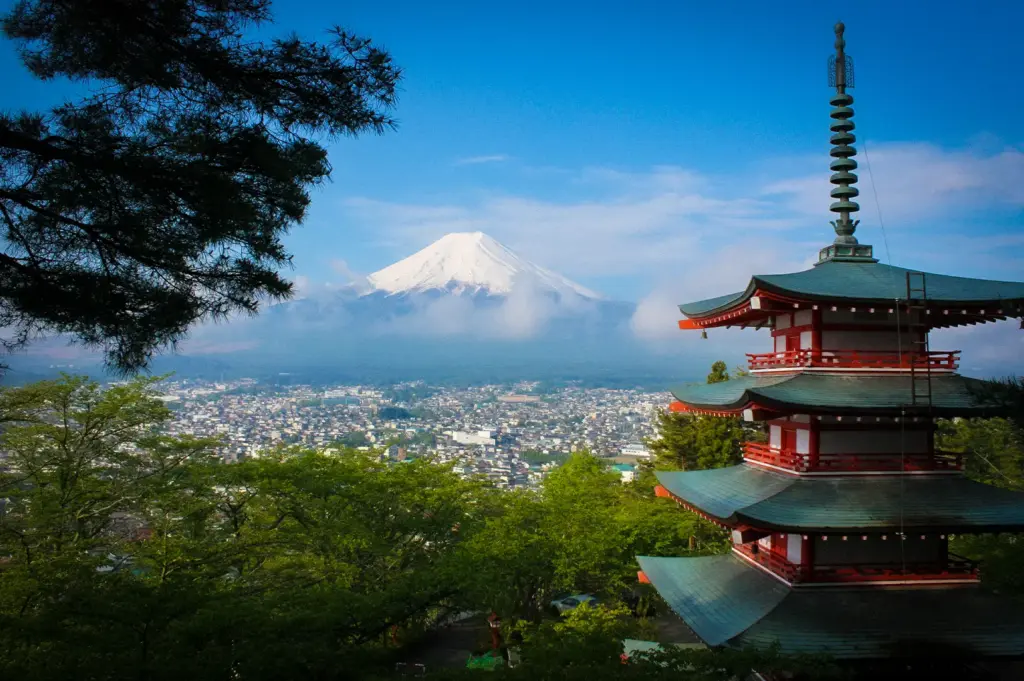
The first real holiday I ever “planned” was a five-day trip to Japan. I still have the spreadsheet somewhere. Tokyo, Kyoto, Osaka, Hiroshima—colour-coded, timed to the minute, with backup routes on Google Maps for when things ran late.
By day three, I was standing on a Kyoto platform, completely drained, staring at a temple I’d spent two hours traveling to, feeling nothing at all. My trip details were precise, but the rigid schedule I had created left no room for discovery, connection, or simply being present. That trip taught me a lesson I’ve kept close in every upcoming trip: thoughtful trip planning isn’t about packing the itinerary with back-to-back stops.
If you’re a Singaporean traveller, you already know the pull. Limited annual leave. A long weekend that feels too precious to “waste.” The quiet pressure to make every day count. I get it. But slow travel isn’t about doing less or neglecting all the details of a trip. It’s about choosing what matters most and letting the rest unfold naturally.
Here’s how you can approach your next trip with slow travel principles.
Why Slow Travel Fits Perfectly Into Your Next Trip Planning
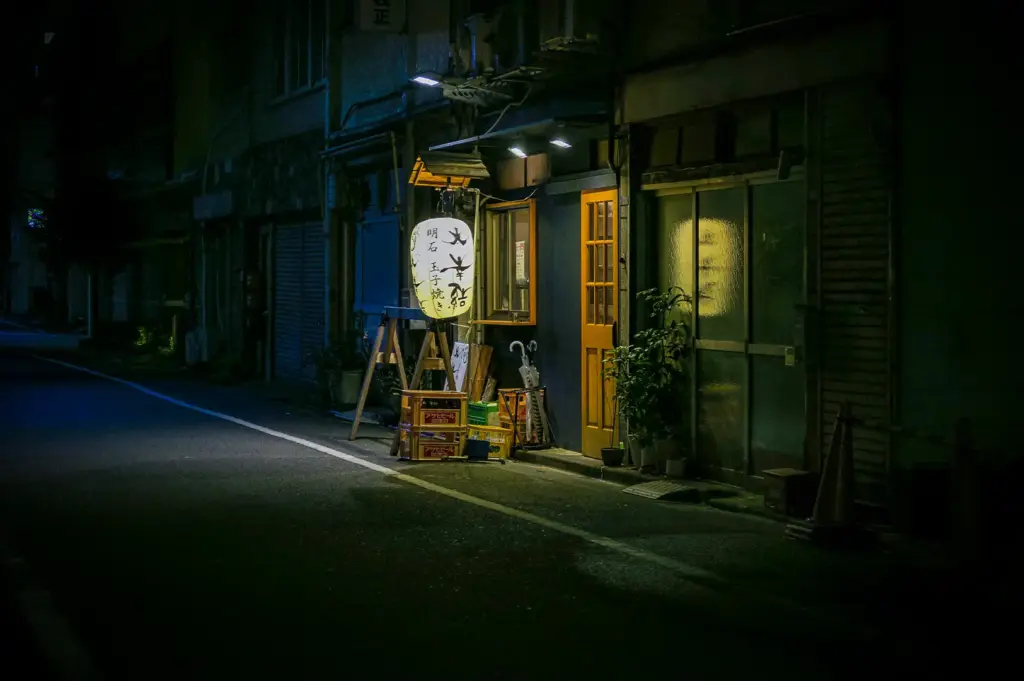
We’re efficient people. We plan trips the way we plan everything—thoroughly, sometimes anxiously. And because our holidays are short, we overload them.
I used to think a packed itinerary meant good value. More attractions, more restaurants, more ground covered. But the trips I actually remember weren’t the busy ones. They were the mornings I sat too long over coffee. The afternoons I got a little lost and found something better than what I’d planned.
Slow travel reframes the whole thing. A three-day weekend can still feel deep if you plan it with intention instead of urgency. You don’t need weeks. You need a different mindset.
Pro tip: For short trips, pick destinations with direct flights and one main base like Chiang Mai, Hoi An, or a single Tokyo neighbourhood. Less transport time means more actual holiday
.
Step-by-Step: Building a Travel Plan That Breathes

This is the process I’ve settled into after years of trial, error, and a few ruined afternoons.
Step 1: Decide how you want the trip to feel
Before I search a single attraction, I ask myself one question: what do I want this trip to feel like?
Rest? Then I lean toward beaches, countryside stays, slow mornings. Culture? Historic towns and neighbourhood living. Adventure? Nature, hiking, road trips through different regions.
Answering this early saves you from copying someone else’s itinerary that has nothing to do with what you actually need.
Step 2: Choose fewer places, stay longer
This is the hardest lesson for most of us. Instead of Tokyo → Kyoto → Osaka in five days, try Tokyo only. Walk the neighbourhoods. Eat where the locals eat. Take one day trip if you feel like it.
My Thailand trip was where this finally clicked. I’d planned Bangkok, then a rush up north. Instead, I stayed put in Bangkok longer than planned, and those unhurried days—a riverside lunch, a quiet market, an evening stroll—were the ones I still think about. If you’re building around a city base, this guide on finding your pace with the right best Bangkok hotel is worth a read before you book.
Step 3: Build a flexible trip itinerary
Here’s the ratio I use for every trip itinerary now:
Must-do experiences — about 20–30%. One famous attraction, one special restaurant, one cultural experience you’d regret missing.
Flexible exploration — around 50%. Walking, cafés, local shops, wandering neighbourhoods.
Rest — about 20%. Slow mornings, quiet evenings, doing nothing on purpose.
That empty space isn’t wasted. It’s where the trip actually happens.
Step 4: Use Google Maps without drowning in it
Google Maps is my most-used travel app, but I nearly ruined it by saving 100 places on one trip. Decision fatigue is real. Now I create categories instead:
📍 Must visit
📍 Food
📍 Cafés
📍 Nearby options
That way when I’m standing on a corner wondering where to eat, I open one list, not a chaos of pins. Google Maps is also honest about travel times, use it to check how far things really are before you commit to crossing a city three times in a day.
Step 5: Keep all the details in one place
Booking confirmations, hotel addresses, transport details, tickets, emergency contacts—I keep them together so I’m not digging through email at a train station.
The Wanderlog app is a genuinely user-friendly free app for this. It lets you build a trip itinerary, store bookings and locations, add photos and notes, and stay organised across your mobile devices. There are premium travel planner tools too, expect somewhere around S$20–100 a year for full benefits but honestly, the free version covers most travellers.
Insider knowledge: Screenshot your key directions and download offline maps before you fly. I once lost signal in a Vietnamese old town, and the offline map on my phone was the only reason I found my guesthouse before dark.
A Real Example: Five Days in Bangkok
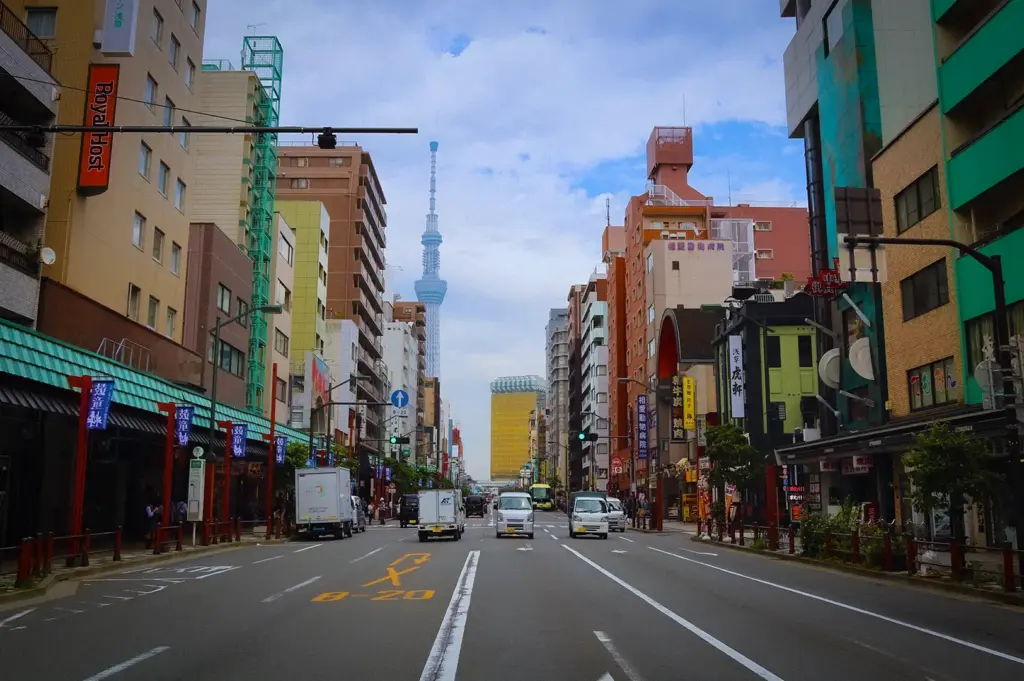
Let me show you the difference.
The overplanned version I once attempted:
Day 1 — Grand Palace, a massive shopping mall, Chinatown, then a rooftop bar. All in one day. I ended it with sore feet and no memory of anything.The slow version I’d plan now:
Day 1 — Wat Arun in the morning, a long riverside lunch, an unhurried neighbourhood walk.
Day 2 — a local market, a café afternoon, an evening stroll along the river.
Fewer places. A deeper trip. The city stops being a checklist and starts being a place you actually knew, even for a few days.
What If You’d Rather Skip Hotels Altogether?
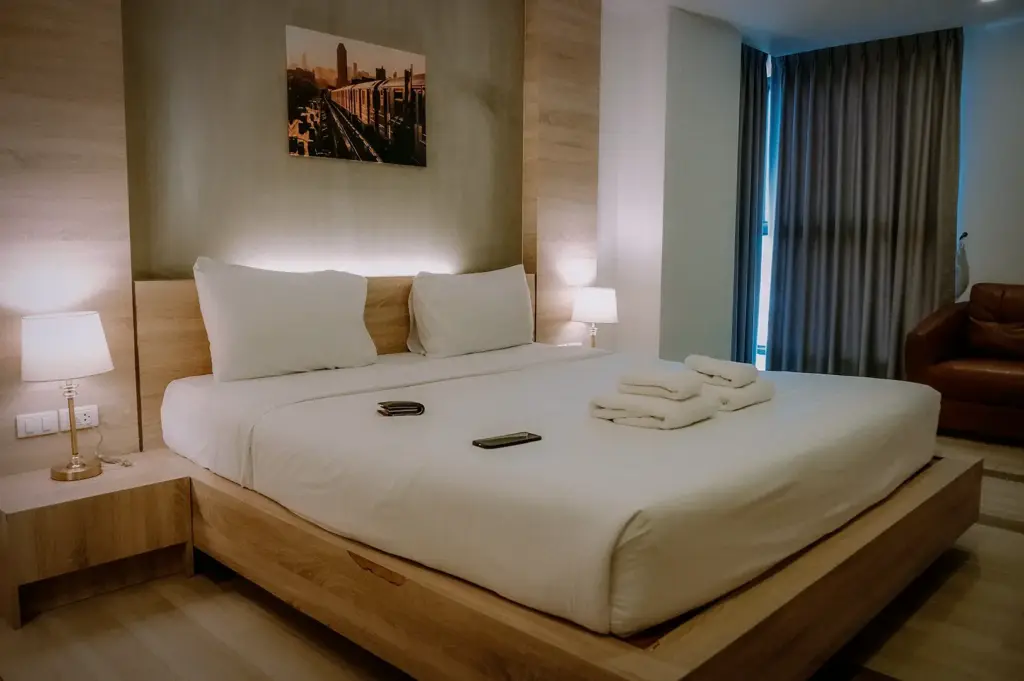
Slow travel and slow accommodation go hand in hand. Staying in a homestay or eco lodge changes the pace of a whole trip, you wake up in someone’s neighbourhood instead of a lobby. If that appeals to you, this piece on why holiday rentals beat hotels makes the case better than I can here, and often at more affordable prices too.
Choosing alternative accommodation options is a great place to discover new things about a country and its culture. Homestays, eco lodges, and even trusted housesitters offer a more authentic experience and often a more budget-friendly option compared to traditional hotels. Plus, they provide a great place to connect with locals or other travellers who share your interests.
When planning your vacation, consider all the information about accommodation options to find what fits your travel style and budget. Booking.com is another helpful site that offers multiple options for accommodations worldwide, from hostels to luxury hotels, catering to all budgets.
If you want to go super easy, once again, apps like Wanderlog can help you write down and organize all the information related to your lodging choices, including booking details and reviews, so you never forget important dates or cost considerations. This way, you have access to everything you need anytime during your trip.
In the future, as the world continues to open up and travel evolves, these kinds of accommodations will likely become even more popular among families, solo travellers, and groups looking for meaningful travel experiences. So, if you want to embrace slow travel fully, consider skipping hotels and opting for these alternative stays, your trip will be richer for it.
A Few Final Words

The best travel plan I’ve ever made had gaps in it—deliberate ones. Space for an unexpected café, a conversation, a long walk with no destination.
So before your next trip, ask yourself three simple questions: Where am I staying? What experiences matter most? How will I get around? Answer those, and then let the rest go.
If you’re used to filling every hour, I know how uncomfortable that empty space feels at first. Trust me on this, it’s where the real memories live. Slow travel isn’t about planning less. It’s about planning what matters, and leaving room for everything you couldn’t have planned anyway.
It’s about allowing space—not just in time, but in spirit—to adapt when plans change, spark new ideas, or inspire connections. True travel isn’t about ticking off boxes; it’s about finding meaningful moments and letting them shape the journey.
Go easy on yourself. The trip will be better for it.
FAQs
How do I plan without planning too much?
Cover the essentials—accommodation, key transport, a few priority experiences—then stop. Leave the rest open. The structure is there to make you feel prepared, not to control every hour.
Will I miss important attractions if I slow down?
Maybe one or two. But think about it: visiting one temple in the morning light, returning at sunset, learning its history, wandering the surrounding streets—that beats rushing through five you’ll never remember. Depth over count, every time.
How many activities should I put into a day?
My rule: one major activity, one local experience, and flexible time. A temple visit, a cooking class, then a free afternoon to walk and rest. That’s a full, satisfying day without the burnout.
Should I use travel apps?
Yes, but keep it simple. Google Maps for navigation, the Wanderlog app for planning, your airline and accommodation apps for bookings. Too many apps create the exact stress you’re trying to escape.
Does slow travel mean doing nothing?
Not at all. You can still hike, explore markets, take road trips through different regions, visit attractions. The difference is pace, not activity.





