
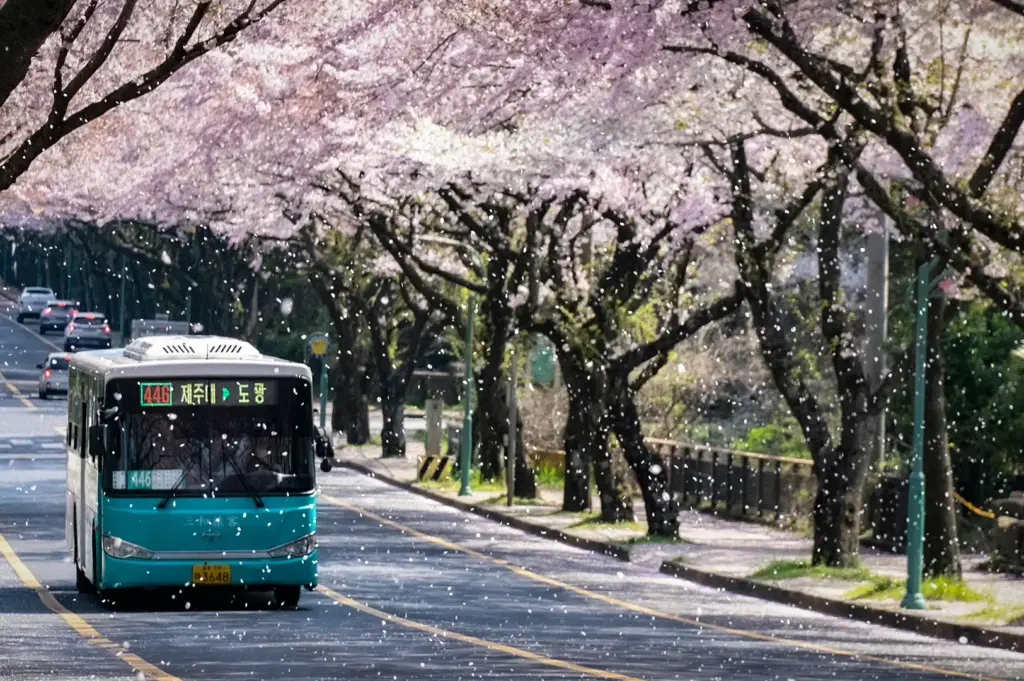
There is a difference between visiting a country and spending time in it.
A short trip allows you to see.
A slower trip gives you time to understand.
This difference becomes especially clear in South Korea, where a few days can introduce you to the energy of a busy city, but a longer stay allows its quieter rhythms to emerge.
Many Singaporean travellers first experience Korea through fast-paced holidays. The excitement is understandable. There are cafés tucked into side streets, historic neighbourhoods, mountain landscapes, markets filled with food, and shopping districts that seem to stay awake long after dark.
With so much to discover, it can be tempting to keep moving.
But having too many choices can sometimes make a holiday feel strangely hurried. You move from one neighbourhood to another, check another place off the list, take a few photographs, and start thinking about where to go next before you have really settled into where you are.
Staying longer changes the relationship you have with a destination.
Instead of constantly asking what you should see next, you begin noticing what is already around you.
A neighbourhood becomes familiar. A restaurant becomes a favourite. A walking route becomes part of your morning. The café you discovered by chance becomes somewhere you return to without thinking about it.
Gradually, the destination starts feeling less like somewhere you are visiting and more like somewhere you temporarily belong.
For Singaporeans, this can be a meaningful shift. We are fortunate to live in a highly connected city where convenience is part of everyday life. Trains arrive regularly, places are close together, and efficiency often feels natural.
Slow travel in South Korea offers an opportunity to step outside that rhythm. You start seeing details that rushed travel tends to flatten. These moments rarely appear on a tightly planned itinerary, yet they can become the parts of a destination that stay with you.
Longer stays also create something that every traveller needs but few itineraries leave enough room for: flexibility.
Weather changes. Energy levels change. Interests change.
A rainy afternoon does not have to feel like a ruined plan. It might become an excuse to spend longer in a traditional tea house, browse a bookshop, or sit beside a window and watch the street outside.
An afternoon originally reserved for sightseeing might turn into a slow café visit.
A neighbourhood you expected to pass through might become somewhere you want to walk again the following day.
These changes are not interruptions to the journey.
They become part of it.
South Korea is particularly rewarding for this kind of travel because its regions carry distinct personalities. Seoul can reveal something different each time you move through one of its neighbourhoods. Busan combines coastal scenery with the energy of an urban centre. Jeonju offers traditional architecture and a slower sense of place, while Gyeongju allows history to exist alongside ordinary daily life.
When you stay longer, these places have time to become more than names on a map.
Food changes too.
Instead of moving from one famous restaurant to another because they appeared on a recommendation list, you begin eating according to where you are. You notice the small restaurant near your accommodation. You return because the food was comforting the night before. You recognise the same faces. You learn which dishes people order without needing to photograph the menu first.
A meal becomes less about collecting another recommendation and more about remembering where you were when you ate it.
This is one of the quiet ways slow travel changes the meaning of a successful trip.
Success is no longer measured by how many attractions you manage to see. It becomes something less tangible.
You felt present.
You had time for conversation.
You noticed your surroundings.
You found a place you wanted to return to.
There is also a practical comfort to staying longer in one place. Fewer hotel changes mean less packing. Fewer transfers mean less time watching the clock. Instead of constantly figuring out where you are going next, you can become familiar with how to get around.
The train station stops feeling confusing.
The walk back to the hotel becomes recognisable.
You know where to find breakfast.
That familiarity creates a gentler emotional rhythm, particularly for families, couples, and older travellers who may appreciate having room to rest rather than constantly keeping pace with a schedule.
South Korea does not need to be rushed. Some of its most rewarding moments appear when you stop searching for the next highlight. They happen during a quiet morning walk, an unexpected conversation, a familiar café, or an evening when you simply sit and watch the city move around you.
The Korea you remember years later may not be the one from your busiest day.
It may be the street you walked three times.
The meal you returned for.
The neighbourhood that gradually began to feel familiar.
The longer you stay, the more South Korea reveals itself beyond the surface.
And perhaps that is what makes slow travel meaningful. Not that you see less, but that you give what you see enough time to become personal. If you are looking for inspiration on how to explore Korea through a slower pace and deeper local experiences, you can continue on our guide here.





