
The first time I went to Ubud, I made every mistake a Singaporean makes. I gave it two days, rushing between landmarks like the Ubud Palace, Ubud Market, and Ubud Monkey Forest, checking off traditional balinese dance performances at Puri Saren Agung without really taking in the Balinese culture behind them or the presence of the ubud royal family who still have their official residence nearby.
My driver navigated the narrow roads of Ubud Centre while I darted from temple complexes to lotus ponds, hoping to capture photo spots of lush rice terraces and beautiful temples. I treated it all like a checklist, failing to explore Ubud in the unhurried way it deserves, or to appreciate its hidden gems like the serene Pura Gunung Lebah Temple or the local farms just outside the centre, where local artists create their crafts.
So I came back. And on that second trip, I stayed a few weeks. That’s when Ubud finally made sense. Not as a place to see, but a place to settle into, surrounded by the natural beauty of rolling hills and rice paddies.
This is what I’ve learned across a few unhurried visits.
Why Ubud Bali Is Worth the Slow Approach
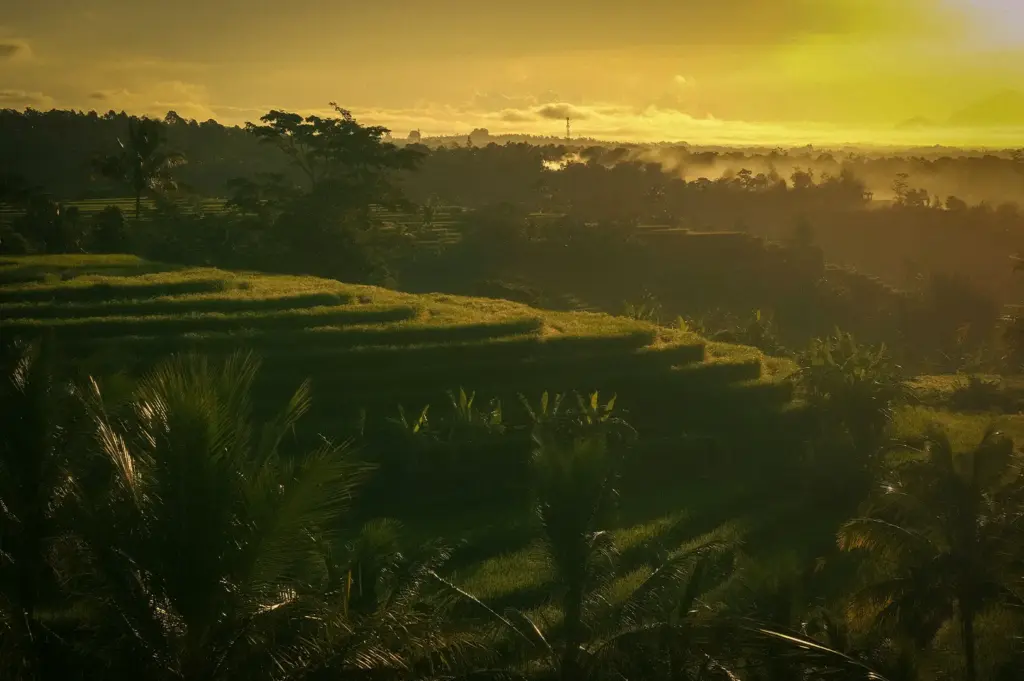
Ubud isn’t the Bali of Seminyak beach clubs or Canggu brunch queues. It sits inland, wrapped in rice paddies, temples, and lush greenery, and it moves at its own pace.
You can walk through rice fields in the early morning, watch a balinese dance performance in the evening, and eat delicious food at a family warung in between. What struck me most was how ordinary life keeps going here. This isn’t a stage built for tourists. It’s a working landscape you’re allowed to walk through.
For those of us used to a city that runs on efficiency, that’s the whole point. Ubud is close enough to reach easily when visiting Bali, but slow enough to help you forget your phone for a while.
Getting There and Ngurah Rai Airport
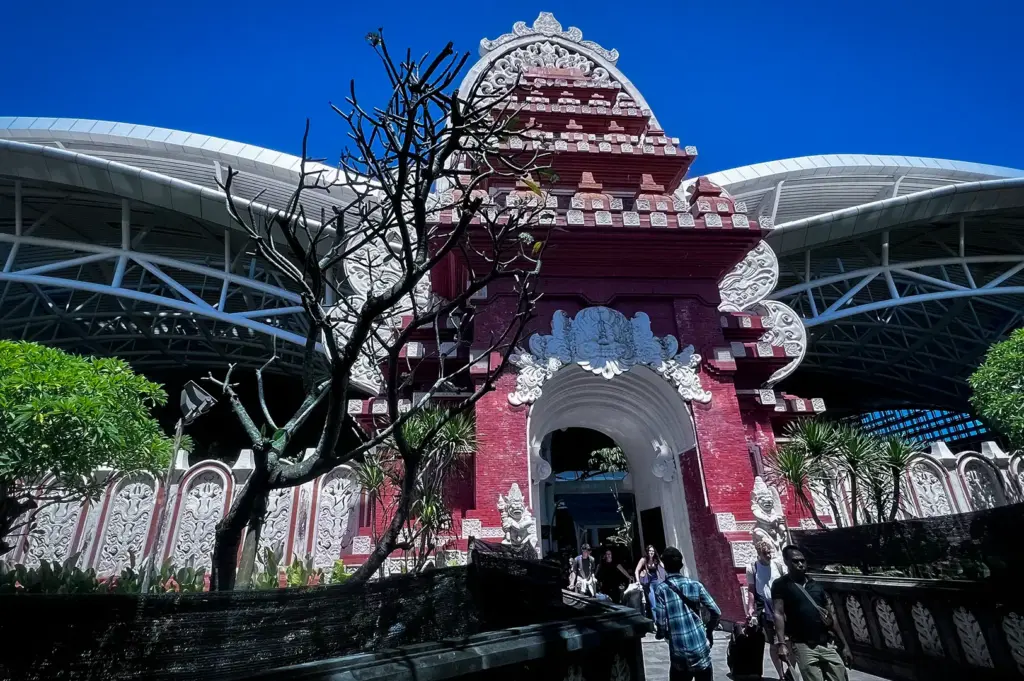
Ngurah Rai International Airport sits about 35–40km south of Ubud. On paper that sounds close. In practice, Bali traffic will humble you.
Expect around 1.5 hours in normal conditions, longer if you land during peak congestion. My first transfer took nearly two and a half hours in an afternoon jam. Now I try to book flights that land before noon.
For getting there, you’ve got a few options. Most travellers pre-arrange an airport transfer or private driver, which runs around IDR 500,000–800,000 for the day. Grab and Gojek work too, though availability from the airport can be patchy. My honest advice: arrange your first ride ahead of time. After a four-hour flight, you won’t want to be haggling on the kerb.
When to Visit: Timing That Actually Matters
Dry season (April–October) is the easy answer. Walking is pleasant, the rice terraces glow, and outdoor plans hold. Wet season (November–March) brings afternoon rain, but the landscape turns impossibly green, and crowds thin out. Pack a waterproof bag and you’ll be fine.
Daily timing matters even more than the season here.
Popular places fill up fast once the morning tour buses roll in around 9am. On my third visit I finally learned to move against that rhythm—rice terraces before 9am, temples at first light, cafés in the late afternoon when the day-trippers have gone. Weekdays are quieter than weekends across the board, especially for yoga classes at places like the Yoga Barn and spa bookings.
Insider tip: Stay slightly outside central Ubud. The town centre has restaurants, shops, and ubud hotels, but also traffic and crowds. A guesthouse ten minutes out means quieter mornings and rice fields at your doorstep.
What to Expect: Central Ubud vs. the Rice Fields
Here’s something no brochure tells you. Many first-timers expect Ubud to be one big jungle retreat. It isn’t.
Central Ubud is busy. Narrow roads clog with cars, Monkey Forest Road hums with shops and tourists, and walking can feel more like dodging than strolling. It surprised me the first time.
But step out to the villages and everything changes. Quieter roads, working farms, and the countryside that people actually come for. The Ubud you’re imagining lives just outside the centre, and reaching it is as simple as a short walk or a scooter ride.
The Highlights, Slowed Down
Sacred Monkey Forest Sanctuary
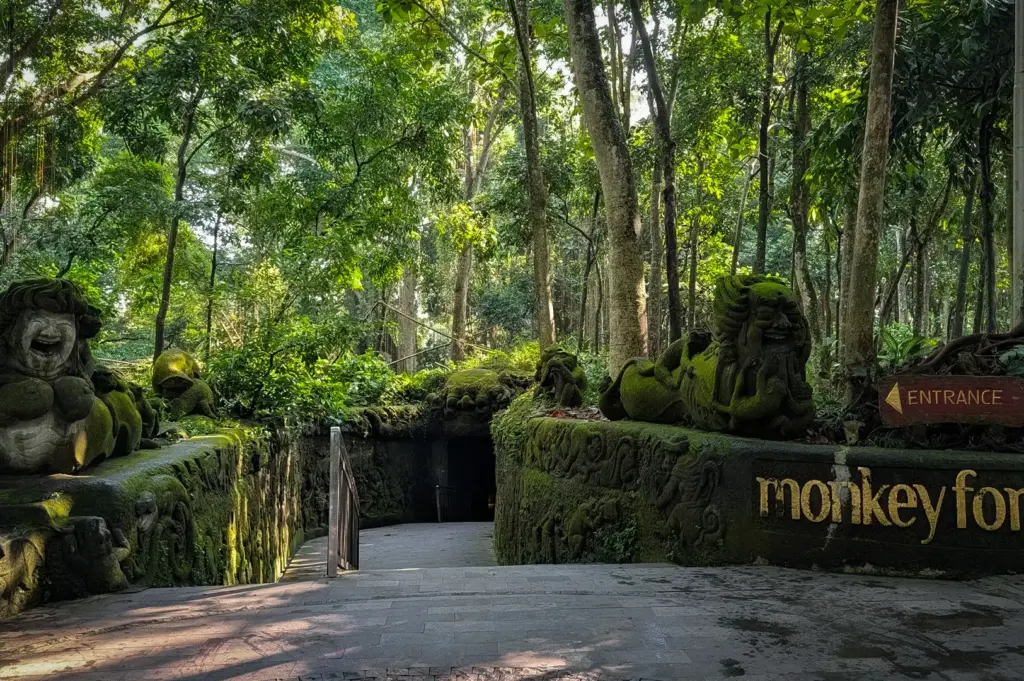
The Sacred Monkey Forest Sanctuary on Jl. Monkey Forest is worth an hour or two, but go right at opening, around 9am. Entry runs about IDR 80,000–100,000 and there’s a car park nearby.
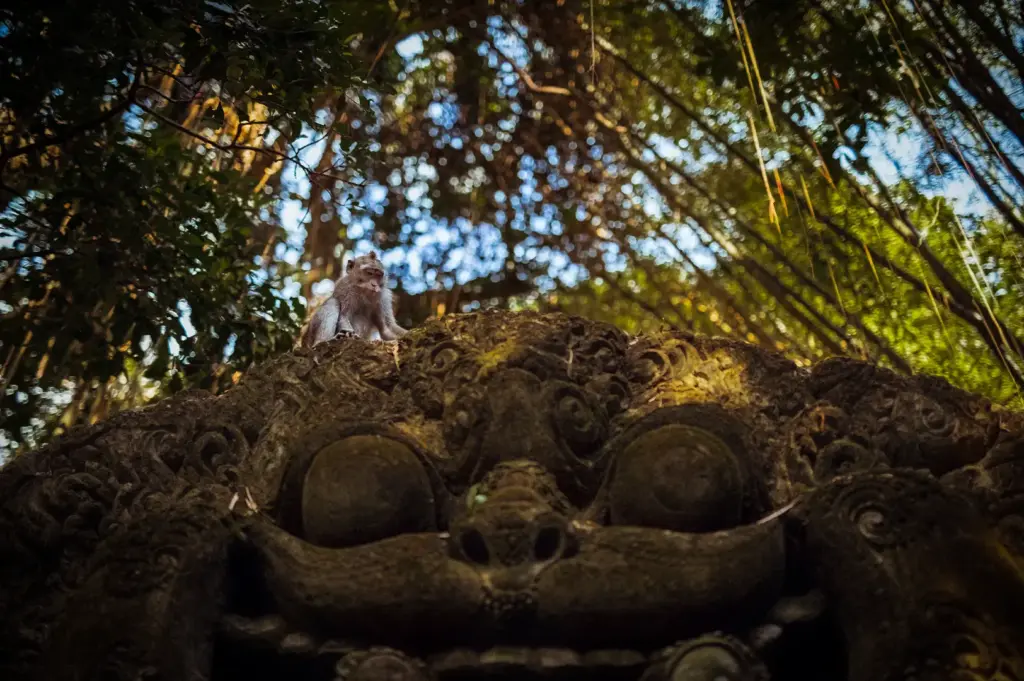
The ancient trees and moss-covered temple structures are the real draw, not just the monkeys. And a warning learned the hard way: don’t carry loose food, and secure your bag and sunglasses. These monkeys are quick, bold, and completely unbothered by your holiday plans.
Tegalalang Rice Terrace and the Bali Swing
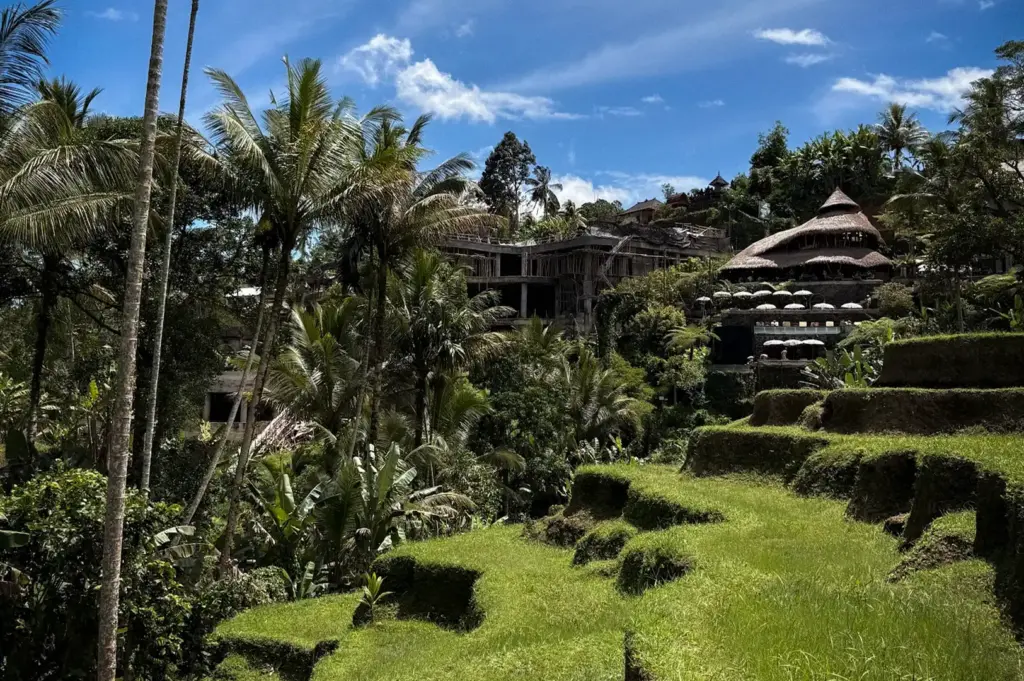
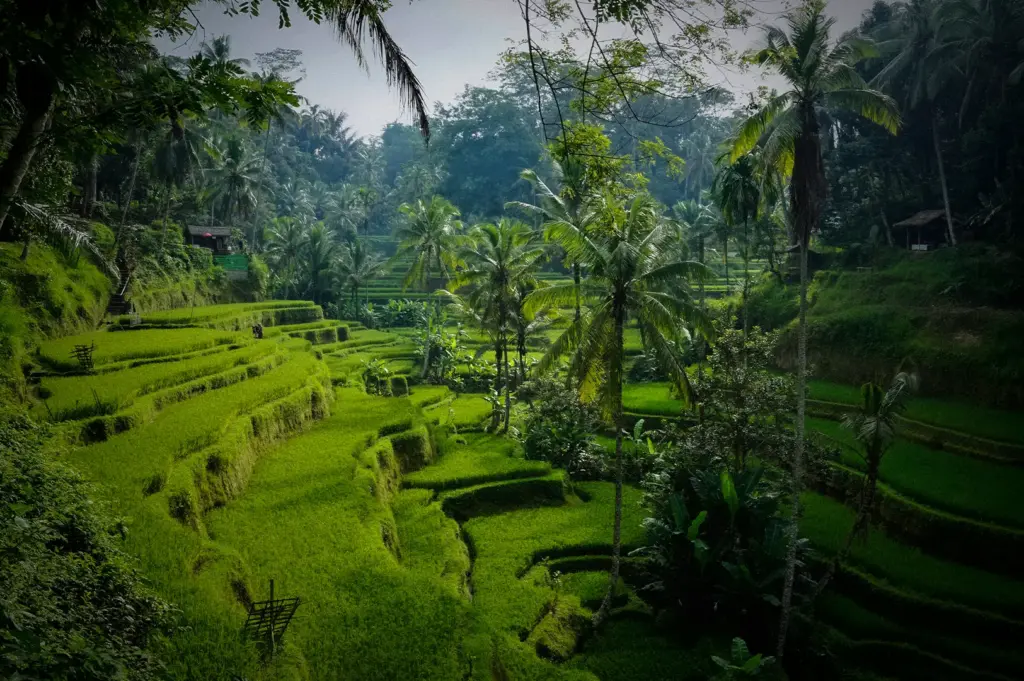
The Tegalalang Rice Terrace, about 20 minutes north of the centre, is the layered green landscape you’ve seen in every Bali photo. It’s part of a UNESCO World Heritage site and features a small entrance fee, plus extra for the famous Bali swings and photo platforms.
Go early. By late morning it’s crowded and commercial. Before 9am, with the mist still lifting off the terraces, it’s genuinely beautiful.
Campuhan Ridge Walk
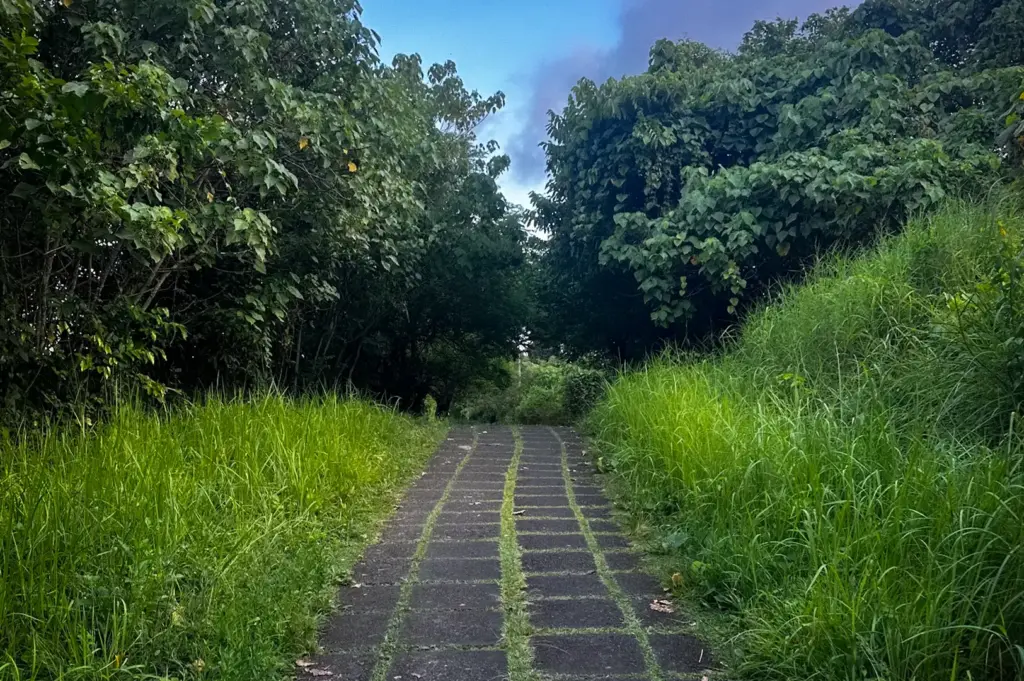
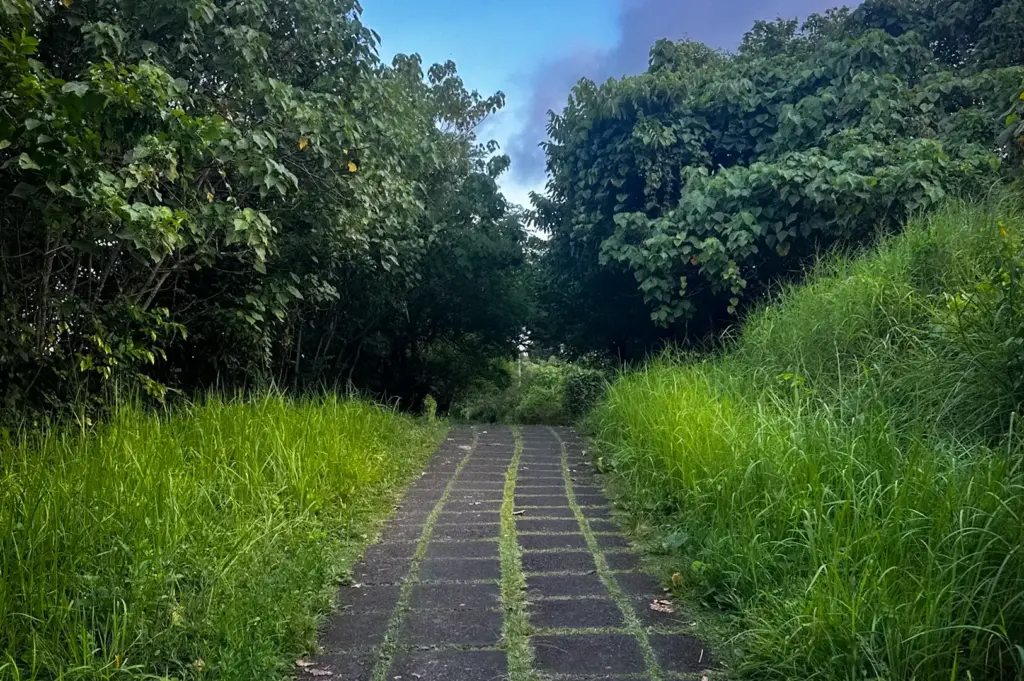
The Campuhan Ridge Walk is free, and it’s my favourite slow morning in Ubud. Start near Warwick Ibah Luxury Villas any time between 6am and 8am. The trail runs along green rolling hills, an easy 45 minutes to two hours depending on your pace.
There’s almost no shade, so midday is punishing. While at sunrise, it’s cool, quiet, and close to perfect.
Goa Gajah, the Elephant Cave
Goa Gajah—the Elephant Cave—is an ancient temple site and sacred site worth a slower visit. The carved cave entrance and bathing pools carry centuries of Balinese tradition. Dress respectfully, cover your shoulders and knees, and take your time. It rewards patience more than a quick photo stop.
Ubud Water Palace
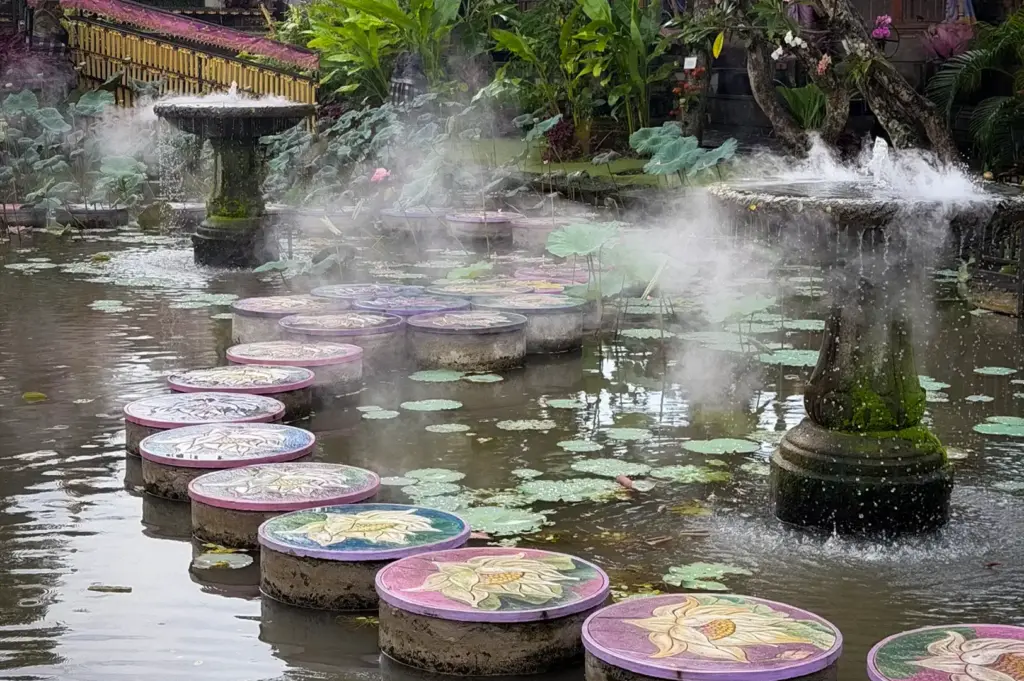
The Ubud Water Palace, home to the ubud royal family, is a beautiful garden and water temple with lotus ponds and fountains dedicated to the goddess Saraswati. It’s a peaceful spot to visit ubud and soak in the atmosphere of a sacred site.
Ubud Art Market
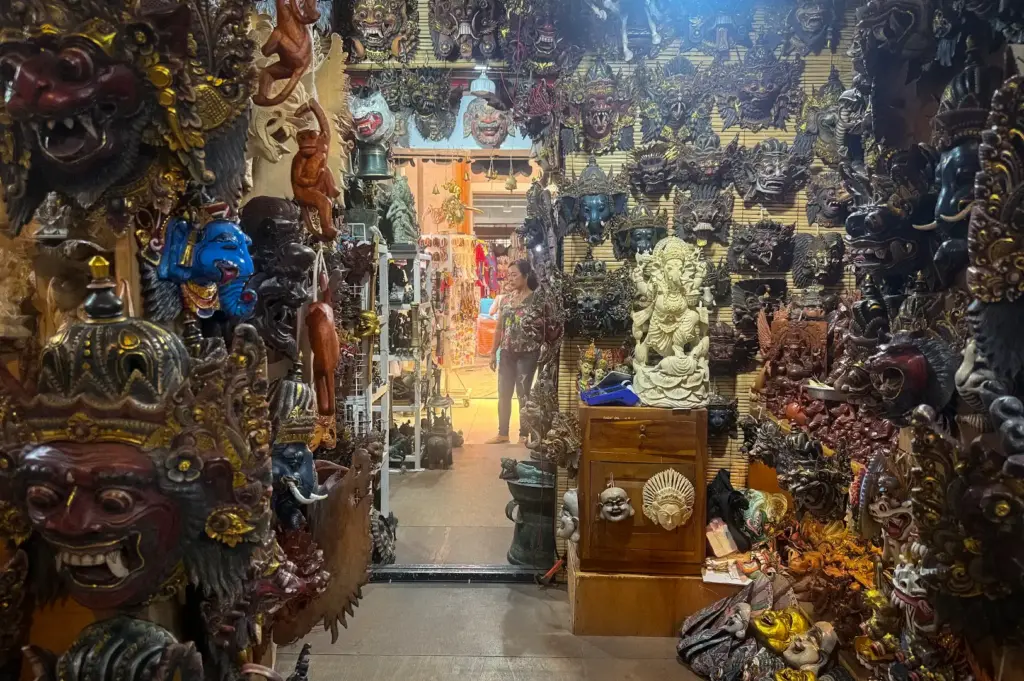
The Ubud Art Market, also known simply as the art market, is a vibrant hub of local crafts and Balinese culture. Established in the 1800s, this bustling market offers a wide variety of handmade goods including wooden carvings, traditional textiles, jewellery, and colourful clothing. It operates daily from 8am to 6pm, with some stalls staying open later into the evening. Visitors can bargain for souvenirs, making it an incredibly fun and interactive shopping experience.
Ayung River
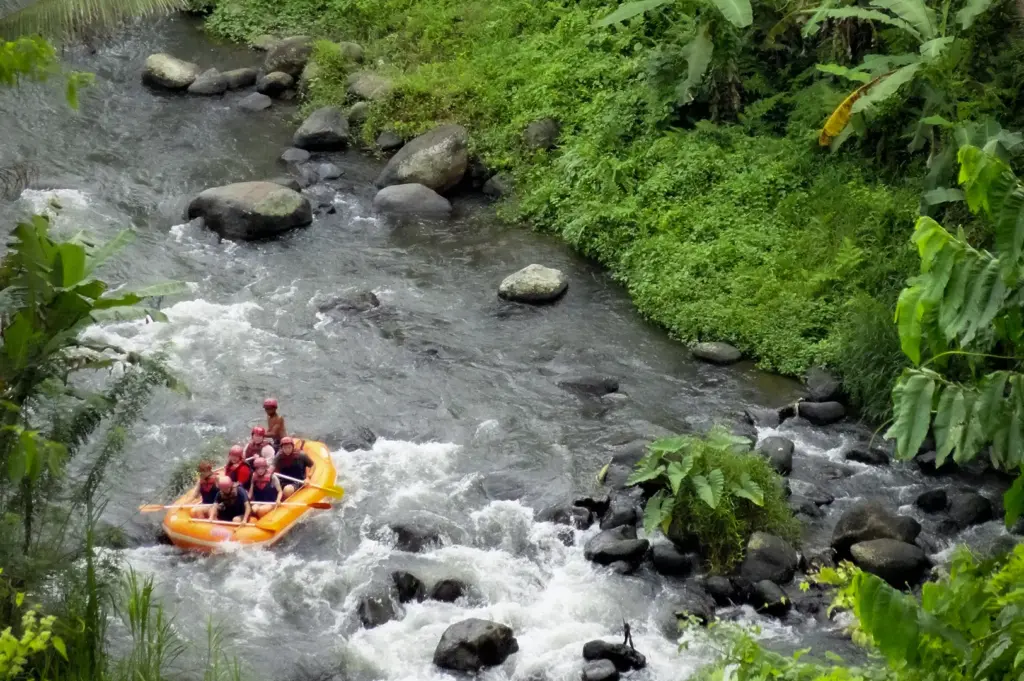
The Ayung River is one of Ubud Bali’s most cherished natural features, winding through lush rainforest and dramatic gorges just a short drive from the town centre. This river isn’t just a scenic backdrop; it’s a hub for adventure and cultural experiences that embody the spirit of Ubud. Whether you’re chasing thrills or tranquility, the Ayung River is a must-visit for anyone wanting to experience the natural and cultural heart of Ubud Bali. I highly recommend visiting this iconic river to connect with the island’s vibrant ecosystem and traditional way of life.
Hidden Corners, Quiet Mornings and Balinese Coffee
The stretches I remember most weren’t the attractions at all.
Sidemen Valley makes a wonderful day trip when central Ubud feels too full. Rice fields, mountains, traditional villages—it’s the slower Bali people wish Ubud still was. On a quiet backroad here, I found the kind of view that makes you stop talking. If you enjoy that feeling of finding the soul of a place beyond the usual sights, I wrote about something similar in this piece on six slow days in Luang Prabang.
Local warungs away from Monkey Forest Road serve the delicious food I still think about. Look for the places full of local customers, small menus, and a family running the kitchen. A plate of nasi campur at a roadside warung cost me less than IDR 40,000 and tasted like someone’s home cooking, because it was.
Morning markets like the ubud market are where Ubud wakes up. Skip the tourist cafés one day and go for fresh coconuts, flowers, and the ordinary rhythm of people shopping for dinner at market stalls. Nobody’s performing. It’s just life.
A quiet moment worth having. A cup of Balinese coffee in the late afternoon, somewhere overlooking the paddies, with nothing else scheduled — maybe with an afternoon tea nearby. That’s the trip, really.
Practical Info: Costs, Dress, and What to Pack
Money. Meals range widely—a local warung runs IDR 20,000–60,000, café meals IDR 60,000–150,000, and restaurants with à la carte menu options IDR 150,000 and up. Carry Rupiah cash for markets, small warungs, and local transport. Cards work at ubud hotels and larger restaurants, but don’t rely on them everywhere.
Getting around. Ubud has no train or MRT—just walking, scooters (IDR 50,000–100,000/day), taxis, Grab, Gojek, and private drivers. If you’re not a confident rider, don’t learn on Bali’s roads. Hire a driver for longer distances and walk the rest.
Dress code. Temples require shoulders and knees covered. Bring a sarong or lightweight long pants. Many temples lend sarongs at the entrance, but it’s easier to carry your own.
What to pack. Comfortable walking shoes, sunscreen, insect repellent, a hat, and a reusable water bottle. In wet season, add an umbrella and quick-dry clothes. If wellness is your reason for coming, bring your yoga clothes and a journal.
Seven Slow Days Later

Ubud was never meant to be rushed. I know that now, though it took me a wasted first trip to understand it.
The memory that stays with me isn’t Monkey Forest or the swings at Tegalalang. It’s the third morning of my week-long stay, walking the same rice path I’d walked the day before, coffee in hand, in no hurry to be anywhere. That’s what a week here gives you. Not more sights, fewer, but deeper. Give Ubud your time, and it gives you something back that a two-day dash never will.
Come slow. Stay longer than you think you need. The rice fields will still be there in the morning.
Just as Ubud rewards travellers who give themselves time to settle in, we cannot forget about accommocation. Where you stay can shape the rhythm of a trip just as much as where you go, and our approach to choosing a Bangkok hotel follows the same idea: finding a place that suits the way you want to experience the city.





