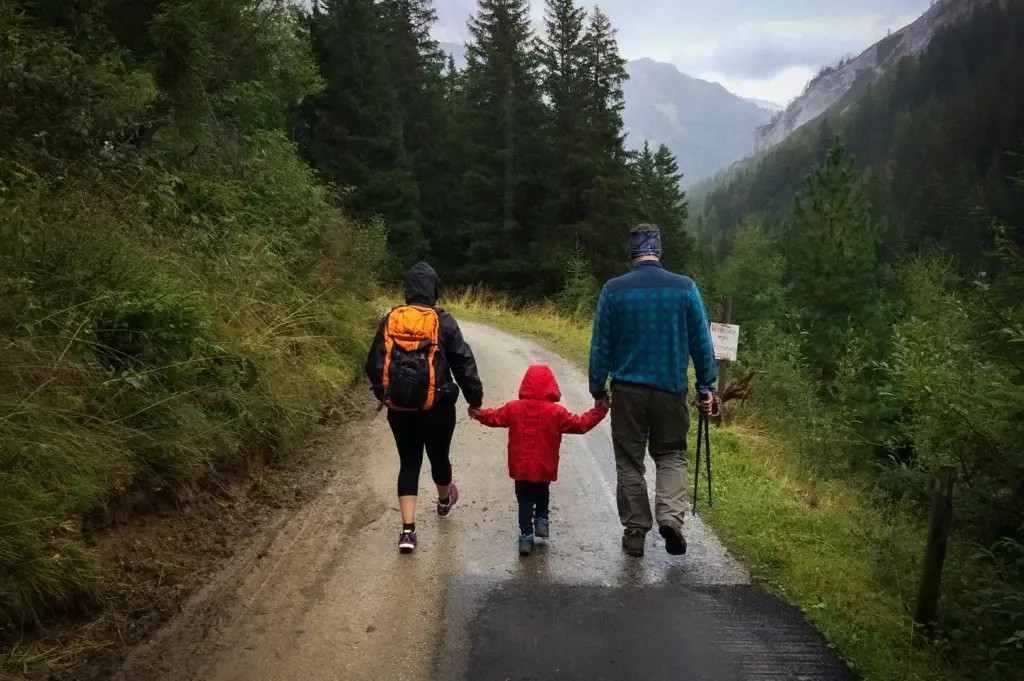
Packing a family for travel can feel stressful. Schedules, activities, and meals all need careful planning. Singaporean families, accustomed to maximising short holidays, often feel the pressure to “see everything.”
Slow travel suggests staying longer in one destination, and the benefits for families are substantial. Longer stays give families time to settle into routines and explore their surroundings at a gentle pace. Children feel secure when familiar streets, parks, and shops become part of the everyday experience. Parents enjoy a more relaxed rhythm, with fewer rushed transitions between activities.
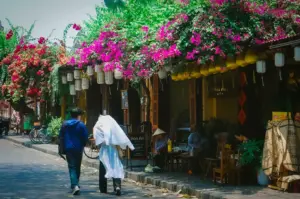
Imagine a family staying in a small town for a week. Each day, the children become familiar with the rhythm of the streets. They know which bakery opens first, which playground is best for their age, and which park benches are shaded in the afternoon. The town transforms from a “tourist spot” into a temporary home. Every repeated interaction fosters comfort, confidence, and curiosity.
Research in travel psychology shows that repeated exposure to environments fosters stronger emotional connection. Families benefit from this sense of place, often uncovering hidden gems and forming traditions—like a weekly visit to the same market or a stroll along a favourite street during the trip. Learn more about the psychology of place attachment via the https://www.pps.org
Longer stays also give families flexibility to adjust for moods, weather, and energy levels. If children are tired or the weather turns rainy, there is no need to rush through attractions. Parents can plan more relaxed mornings, longer lunches, and extended breaks at cafés or parks. This flexibility reduces stress for everyone and allows for more meaningful, organic experiences.
Otaru in Japan is a perfect example for families seeking slow travel. Spending multiple days in the same area allows for small discoveries, local interactions, and immersive experiences impossible in a rushed itinerary. The rhythm of the town, the hidden alleys, and even seasonal festivals create a sense of intimacy that deepens each day’s experience:
Otaru Slow Travel Guide: 5 to 14 Day Stays
Ultimately, slow travel teaches families that time is the greatest gift you can give each other. By slowing down, families can focus less on checking off attractions and more on shared experiences, playful exploration, and bonding moments that leave a lasting impression.