
Traveling with children often feels like a race. From one attraction to another, from breakfast to bedtime, there is always a schedule to keep. Singaporean families are no strangers to efficiency, and holidays can sometimes feel like an extension of our busy daily routines.
Slow travel offers a different approach. It allows families to slow down, focus on presence, and enjoy the journey together rather than simply trying to “tick off” destinations.
Instead of rushing to tick off every site, slow travel encourages families to explore at a natural pace. Children notice small details—birds in the park, local snacks, tiny alleys—that adults often overlook. Parents have time to watch, participate, and bond over these shared discoveries. Every small observation becomes a memory, every ordinary experience a shared story.
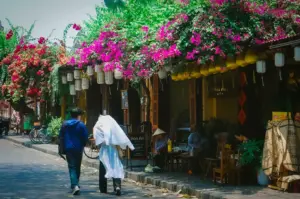
Consider a simple morning in a quiet neighbourhood. You might stop at a local bakery and share a pastry with your children, observing how they delight in unfamiliar flavours. Later, a stroll along a riverside promenade might turn into a game of spotting the quirks of street art or local flora. These unstructured moments often leave deeper impressions than visiting the largest museum or theme park.
Research in family psychology suggests that unstructured, shared experiences strengthen emotional bonds and create lasting memories. Even seemingly mundane activities—strolling through a neighbourhood or visiting a local café—provide opportunities for connection, reflection, and curiosity.
Slow travel also teaches children patience, observation, and an appreciation for rhythms beyond screens and schedules. When families move at a gentler pace, children are encouraged to notice, question, and interact with their environment rather than passively move from one activity to the next.
Another benefit for parents is reduced stress. Without the pressure to maximise every day, slow travel allows parents to enjoy the journey themselves. Family meals become experiences to savour. Even laundry or packing can feel like a small rhythm of daily life abroad, rather than a chore.
For practical examples of slower-paced itineraries that work for families, this guide provides excellent inspiration: Itineraries Template: Unlock the Perfect Slow Travel Experience for Singaporean Couples Seeking Connection and Adventure
By embracing a slower pace, families often notice that the quality of experiences matters more than quantity. Instead of rushing, the focus is on engagement, curiosity, and creating memories that linger long after the trip ends. Families leave not only with souvenirs but also with stories, laughter, and shared experiences that build lasting bonds.