
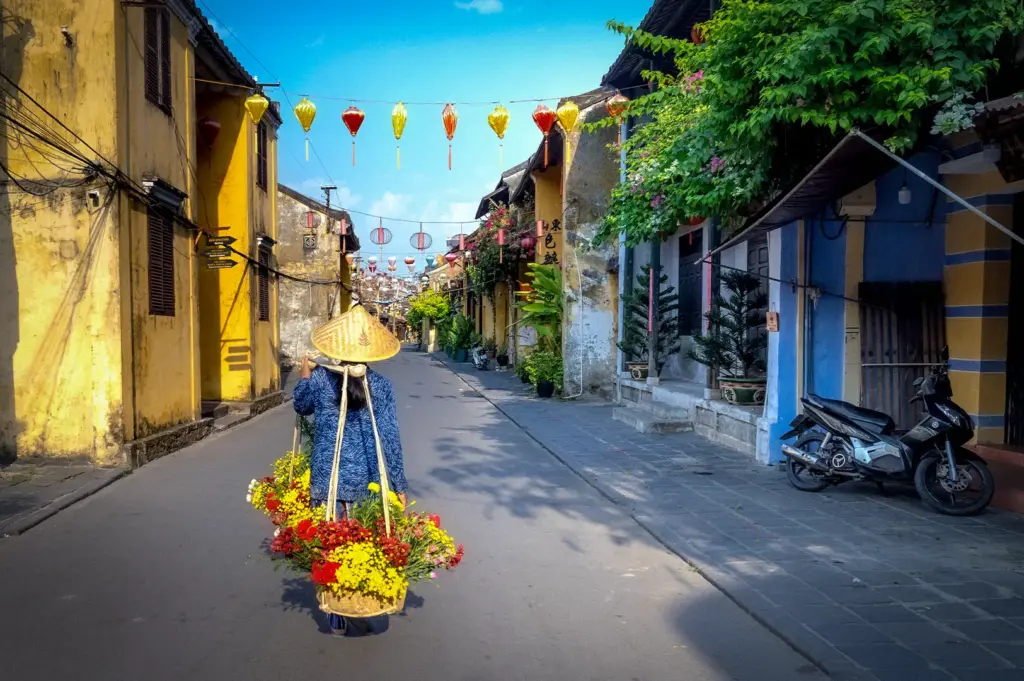
The first time I went to Hoi An, I booked a room in the busiest corner of the Ancient Town. I thought that was the point—to be in the middle of it all. On my next vist, I stayed in a homestay surrounded by rice fields in Cam Chau. I woke to the sound of a rooster and someone sweeping a courtyard. I cycled to a café along a dirt path with nothing on my schedule.
That was when I understood something about this town.
In most cities, where you stay is about convenience. In Hoi An, where you stay decides what kind of days you get to have. The neighbourhood isn’t a base. It’s the trip. This guide covers every area worth knowing—from the UNESCO World Heritage Site streets of the Ancient Town to the quieter edges near the beach—so you can find the right fit before you book. If you’re still planning on what to see once you arrive, our complete Hoi An slow travel guide covers the rhythms and neighbourhoods in much more depth.
So before you ask which hotel is best, ask a better question: what kind of mornings do you want here?
Getting There from Da Nang Airport
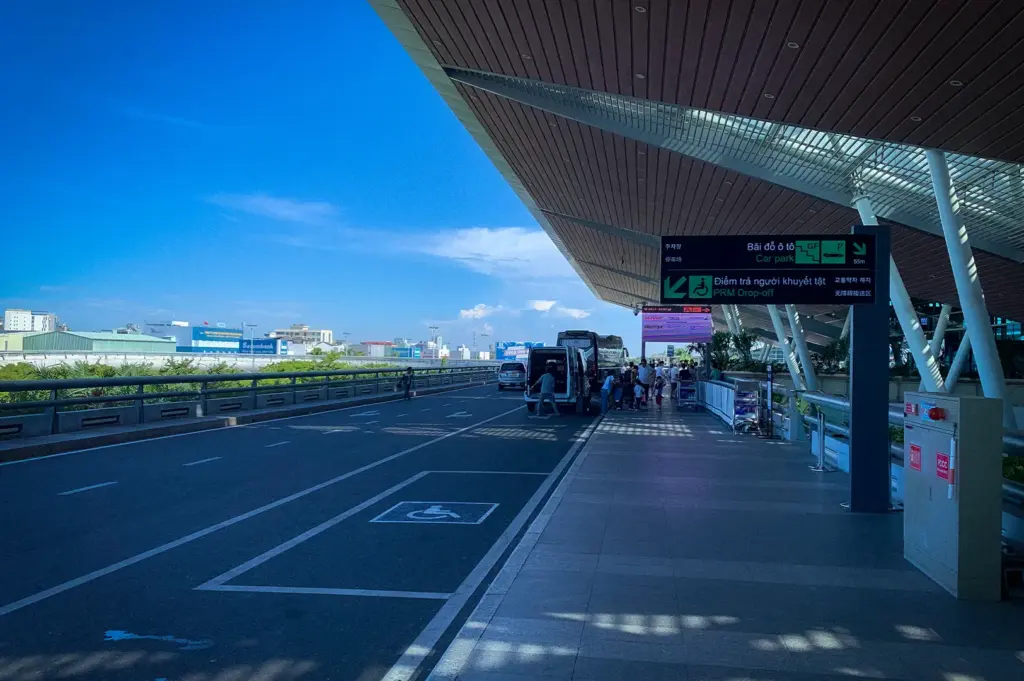
Almost everyone arrives through Da Nang International Airport. From there, Hoi An sits about 30km south, roughly a 40 to 50 minute drive, depending on traffic and the time of day.
You have three real options.
A Grab is the cheapest and easiest. Book it once you’ve cleared arrivals and stepped outside, since the signal inside the terminal can be patchy. A private hotel transfer costs a little more but is worth it if you land late or tired—most homestays and hotels will arrange one if you ask ahead. The short ride is convenient and stress-free if you’ve pre-arranged it. A metered taxi works too, though I’d agree on the route before setting off.
One thing I learned the hard way: traffic thickens in the late afternoon. If your flight lands around 5pm, expect the slower end of that window. I once spent nearly an hour crawling the last stretch, watching motorbikes weave past like water around a stone.
When to Visit
Hoi An has two faces, and the season decides which one you meet.
From February to August, the days are warmer and drier. This is the town at its most generous—good for cycling, beach mornings, and long walks through the heritage streets without an umbrella tucked under your arm. If you want the postcard version, come in these months.
From September to January, the rains arrive. And they don’t arrive gently. The Ancient Town sits close to the Thu Bon River, and in a heavy year the streets near the water flood. I was there one October when the lantern shops rolled up their shutters and the lower lanes turned into shallow canals, boats drifting where I’d walked the day before.
There’s a strange beauty to it. But if you’re a first-timer, I’d steer toward the drier months. If you do come in the wet season, pack a rain jacket, quick-dry clothes, and a waterproof bag for your phone and documents.
The Five Neighbourhoods: Explore Hoi An Area by Area
Ancient Town — Great Location for First Time Visitors
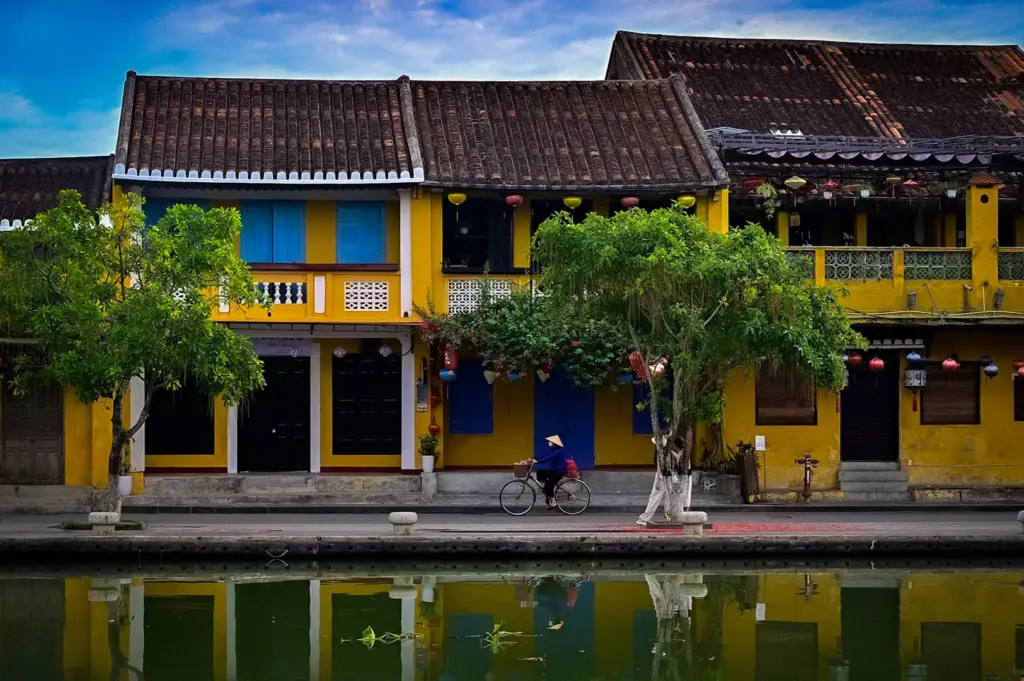
This is the heart, a UNESCO World Heritage Site, lantern-lit, lined with yellow colonial buildings, ancient houses, and riverside restaurants. Many hotels here sit within a short walk of everything worth seeing.
Staying here means the heritage is outside your door. You can walk everywhere, catch the streets quiet in the early morning before nine, and be there when the lanterns come on at dusk.
But the same magic turns loud. The central lanes fill with tour groups by day and crowds by evening, prices run higher, and the nightlife can bleed into your sleep. That first noisy trip taught me to stay near but not inside the busiest streets. Many travelers make exactly this mistake.
Best for: first-time visitors who want history and lantern nights within walking distance.
Cam Chau — Perfect for Early Morning
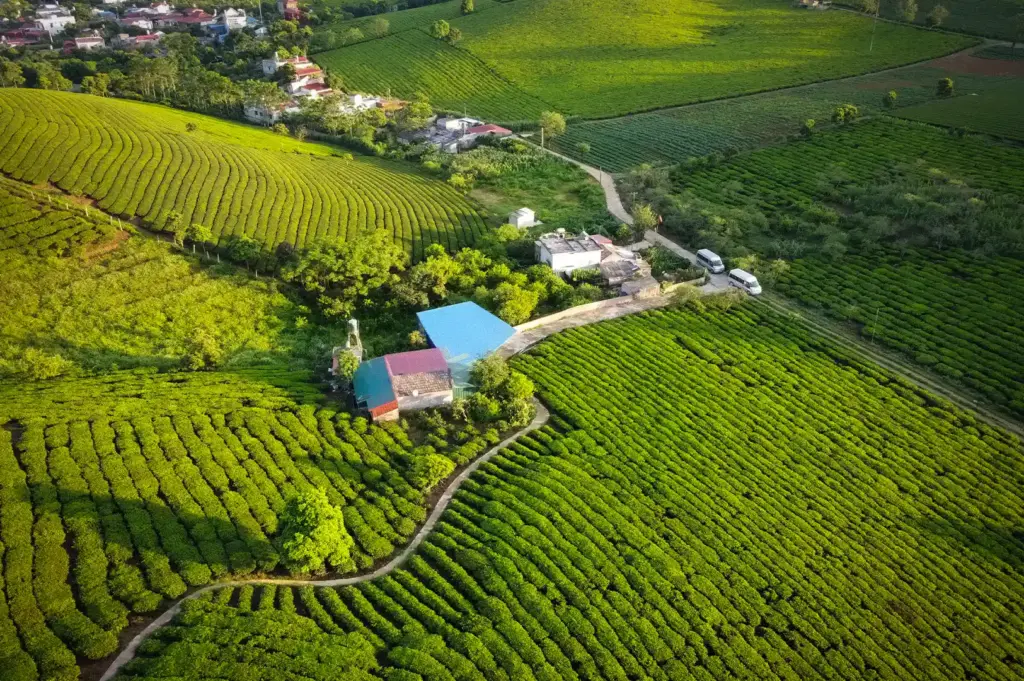
Rice paddies, bicycle paths, quiet lanes, and countryside cafés. This is the Hoi An I keep returning to.
Cam Chau feels less like a holiday and more like borrowing a local life for a week. Mornings are peaceful. You cycle past farmers in the fields and stumble on a café you didn’t plan to find. It’s a go-to spot for digital nomads and slow travellers who want more places to breathe.
The trade-off is distance. Fewer restaurants sit within walking reach, and you’ll need a bicycle, Grab, or taxi to reach the Ancient Town. But rent a bicycle—many accommodation options here include free bikes—and that becomes part of the pleasure, not a chore.
Best for: slow travellers who want cycling, countryside, and quiet.
Cam Thanh — Fresh and Green Location for First Timers

Coconut forests, waterways, and village life. Cam Thanh sits on the eastern edge of Hoi An, and it’s the greenest of the areas, known for basket boat rides and gentle cycling.
It’s calm and family-friendly, with more space to breathe. The downside is fewer evening dining options and more distance from the centre — less ideal if you want nightlife on your doorstep.
Best for: families and couples staying four to seven days who want nature over noise.
An Bang Beach — Hoi An’s Beaches at Their Most Relaxed

A slower coastal alternative to the resort strip. An Bang is beach mornings, laid-back cafés, and seafood at tables where nobody rushes you. It’s one of Hoi An’s beaches that draws travelers seeking calm over crowds.
You wake near the ocean, the evenings stay quiet, and there’s less tourist pressure than in town. You will need transport to reach the historic sights, and cultural experiences aren’t right next door.
Best for: couples, wellness travellers, and anyone settling in for a longer stay.
Cua Dai Beach Resort Area — Breathtaking Beachfront
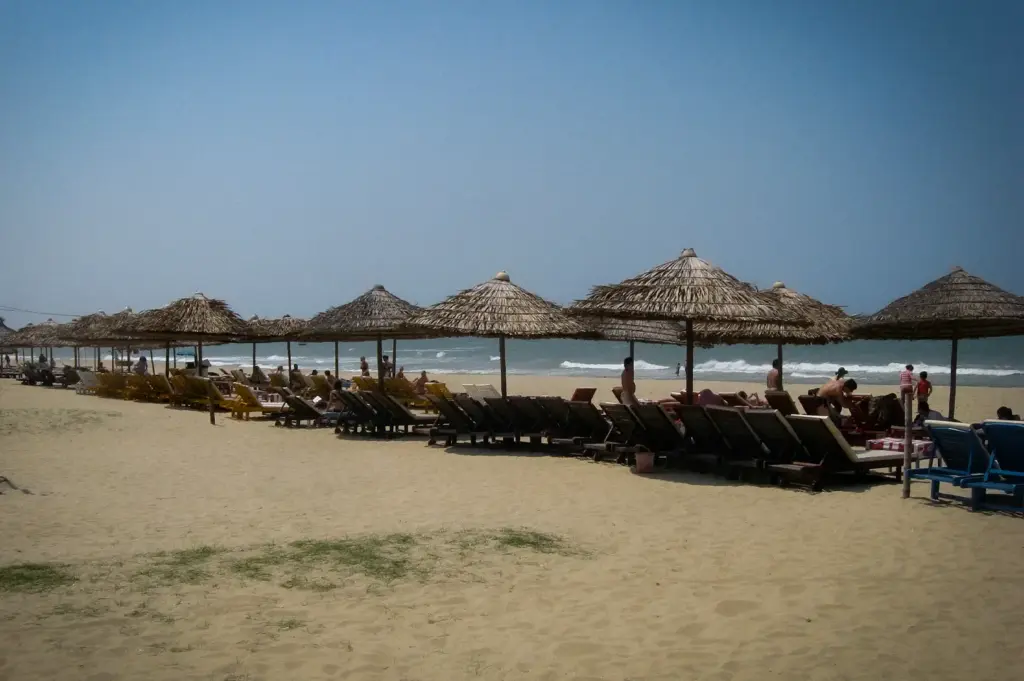
The most resort-oriented of the five. Beachfront properties with swimming pools, river views, ocean views, and a quiet, spacious feel. Boutique hotels and larger resorts—including properties like Anantara Hoi An—are located here, offering spa facilities and well-appointed rooms at a higher room rate.
It’s built for relaxation. But it trades away local atmosphere and sits farther from town, so it suits travellers who want comfort more than character. An extra bed or extra cost for facilities won’t bother guests whose main purpose is rest.
Best for: resort stays focused on rest and ocean views.
Choosing Your Base & Practical Info
Area | Best For | Travel Style |
|---|---|---|
Ancient Town | First-time visitors | Culture, walking, lantern nights |
Cam Chau | Slow travellers | Cycling, countryside, local life |
Cam Thanh | Nature lovers | Villages, waterways, greenery |
An Bang Beach | Relaxation | Beach, cafés, wellness |
Cua Dai Beach | Resort stays | Comfort, ocean views |
Accommodation. Budget homestays run about S$20–55 a night, usually with a private room, Wi-Fi, sometimes breakfast, and often free bikes. Boutique hotels with swimming pools and gardens sit around S$65–160. Beach resorts start at S$200 and climb. Some properties add an extra cost for airport transfers or early check-in, so confirm before booking.
Food. Street food runs 30,000–60,000 VND. A sit-down local meal is 60,000–150,000 VND. Cafés fall somewhere between. Carry cash in Vietnamese dong for the local market and small cafés—cards work mainly at larger hotels and restaurants.
Ancient Town ticket. Foreign visitors buy an Old Town sightseeing ticket, around 120,000 VND, which gives access to a selection of heritage sites, including ancient houses and the small bridge near the Japanese Covered Bridge.
Crowd patterns. The Ancient Town is busiest from 5pm to 9pm, and on weekends and festival evenings. It’s quietest before 9am. Beaches are calmest on weekday mornings.
What to wear. It’s warm and humid, so bring breathable clothing, comfortable sandals, and proper walking shoes as the old streets are uneven. For temples, cover your shoulders and knees; a light scarf handles quick coverage. In the wet season, add a rain jacket and a waterproof bag.
Insider Tips on Where to Stay in Hoi An
A few things I wish someone had told me on that first trip.
Stay one street back. In the Ancient Town, being one or two lanes away from the busiest streets gives you easy walking access and quiet nights. It’s the single change that fixed my sleep. Many hotels in this zone offer excellent value and clean rooms without the noise.
Choose a homestay with bicycles. Hoi An has wonderful family-run homestays and garden villas, often with free bikes included, homemade breakfasts, and hosts who point you toward places no guidebook lists. A bicycle-inclusive stay is a small detail that quietly improves everything.
Explore early. The best moments here happen in the early morning before the crowds. The local market wakes up, coffee shops open, and the streets catch the first light. By nine, the town belongs to everyone. Before nine, it can feel like yours.
Stay slightly outside the centre. Ten to fifteen minutes out often means quieter mornings, cheaper rooms, and more genuine local interaction and it’s still a convenient distance by bicycle or Grab.
A Slower Takeaway
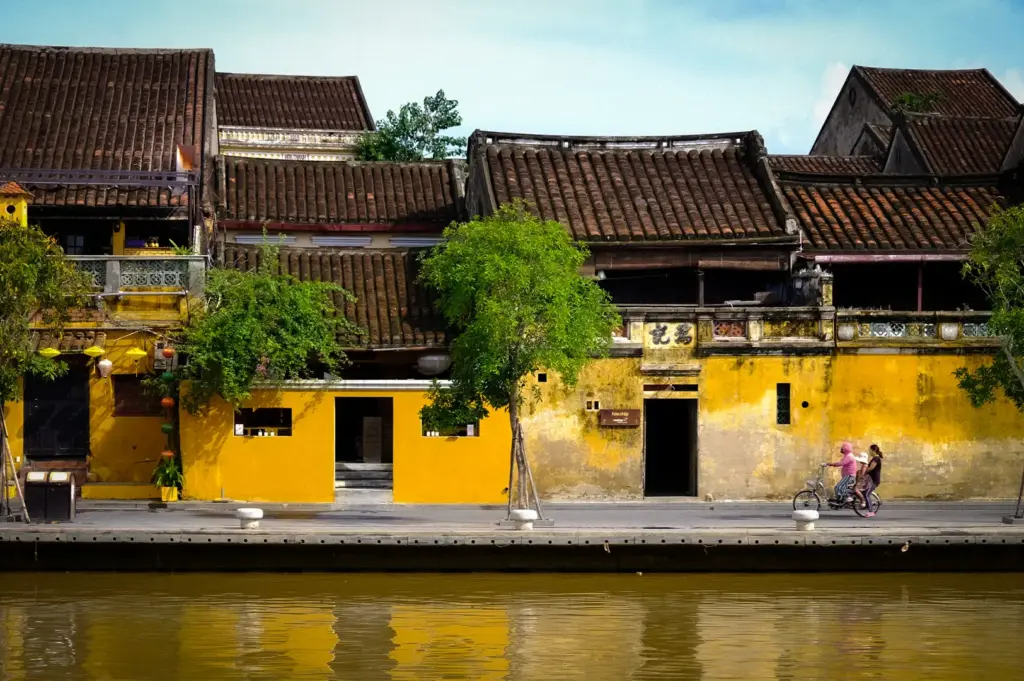
There’s no best neighbourhood in Hoi An. There’s only the one that matches the days you want to live.
Stay in the Ancient Town if you want history the moment you open your door. Choose Cam Chau if you want to wake to rice fields and cycle without a plan. Head to the beach if you want your trip to feel like a long exhale.
The real luxury here was never a five-star room. It was having enough time to wake slowly, ride nowhere in particular, and return to the same streets until they started to feel familiar.
That third trip, in the little homestay with the rooster and the courtyard, I stayed a full week. By the end, the café owner knew my order. The path to the fields felt like mine.
I’d flown in a visitor. I left feeling, just briefly, like I lived there.
That’s the whole point of staying long enough. And if this kind of unhurried travel appeals to you, you might find that exploring things to do in Bangkok at a slower pace offers a surprisingly similar reward.





